African nightshade (mnavu)
Solanum scabrum
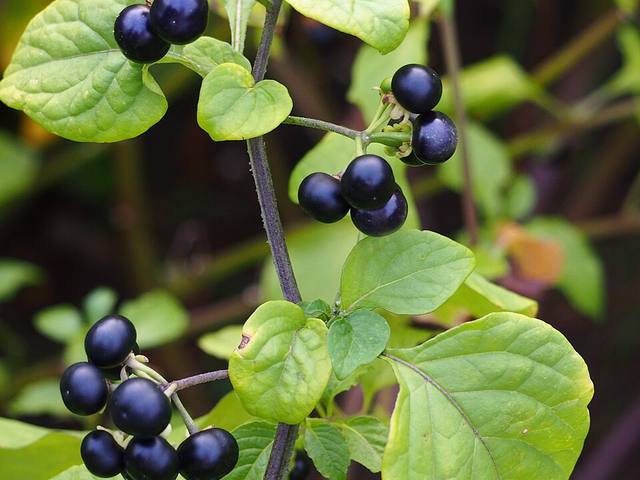
A favourite cooked green in East Africa, often with milk or groundnuts; eat the cooked leaves, not the unripe berries.
Hardiness: zones 6 to 12
Light: full sun
Size: about 3 ft tall, 2 ft wide
Harvest: year-round
From: West and East Africa
Here: Hardy in the Lake Erie shore climate (zone 6b to 7a), so it can live outdoors in the ground.
Good for: food.
Native to: African savannas & tropics, West & Central African forests. Hardy in zones 6 to 12.
The story
African nightshade, mnavu in Swahili and managu in Kenya, is one of the most loved traditional greens of East Africa. Once written off as a weed, it now fills city markets, and researchers have found its leaves rich in iron, protein and vitamin A. Its slight bitterness is the point: it is cooked with milk, groundnut paste or tomatoes to round it out.
Planting
Sow in a seedbed at the start of the rains and transplant at about four weeks, 18 inches apart, into rich soil with manure. Buy named seed so you know you have the edible kind.
Growing
Pinch the tips to make it bushy and water in dry spells. Pick every week from about six weeks; it keeps going for months.
Harvest and use
Harvest young shoots and leaves, boil briefly (many cooks pour off the first water), then simmer with onion, tomato, milk or groundnuts.
What to watch for
The green unripe berries are toxic; eat cooked leaves only and keep berries away from children. Aphids, spider mites and bacterial wilt.
See if African nightshade (mnavu) fits your yard
Free planner: enter your ZIP for frost dates, climate fit and a sowing calendar. No account, no ads, no tracking cookies.
More annual vegetables, herbs and grains
General guidance, not professional advice. Conditions vary by yard and year; for local specifics ask your county extension office. Never eat a wild plant you cannot identify with certainty. Traditional uses are shared as history, not medical advice. © 2026 Sean Priest · Irie Orchard. Terms & credits · Privacy · Home