Andean elderberry (sauco)
Sambucus peruviana
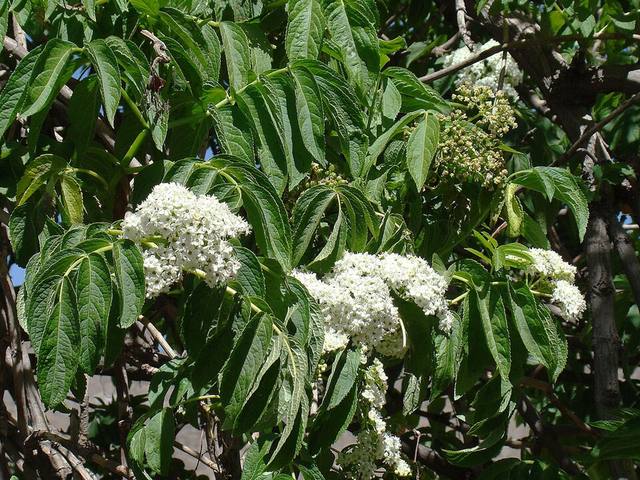
Fruits through the year in the highlands; cook the berries for jam and drinks.
Hardiness: zones 9 to 11
Light: full sun to part shade
Size: about 20 ft tall, 12 ft wide
Harvest: year-round
From: Andes from Costa Rica to Argentina
Here: Too tender to overwinter outdoors on the Lake Erie shore (zone 6b to 7a): grow it in a pot and bring it in, or treat it as an annual.
Good for: food, pollinators, wildlife.
Native to: Andean highlands. Hardy in zones 9 to 11.
The story
Sauco, the Andean elder, has been grown around Andean villages from Costa Rica to Argentina since pre-Inca times for its big, sweet black berries, eaten fresh and made into jam and wine, and for living fences; it is far sweeter than the northern elders.
Planting
Full sun or part shade, moist soil, and a cool, frost-light climate; a 20-foot tree. Plant a cutting.
Growing
Water through dry spells; prune after harvest. It fruits within two years.
Harvest and use
Clusters ripen black through the year; sweet enough to eat fresh, and good for jam and wine.
What to watch for
Aphids; hot humid lowlands.
Safety
Raw elderberries, unripe berries, seeds, leaves and stems can cause nausea and vomiting. Eat only ripe berries that have been cooked, and leave out the stems.
See if Andean elderberry (sauco) fits your yard
Free planner: enter your ZIP for frost dates, climate fit and a sowing calendar. No account, no ads, no tracking cookies.
More berries and small fruit
General guidance, not professional advice. Conditions vary by yard and year; for local specifics ask your county extension office. Never eat a wild plant you cannot identify with certainty. Traditional uses are shared as history, not medical advice. © 2026 Sean Priest · Irie Orchard. Terms & credits · Privacy · Home