Barley
Hordeum vulgare
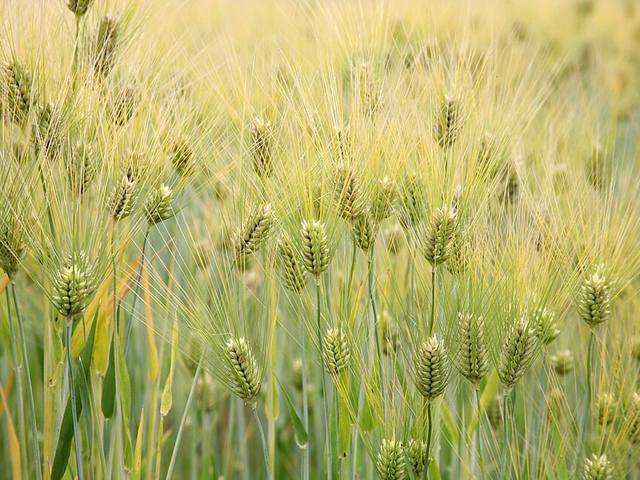
The first great grain of Sumer and Egypt: bread, beer and porridge, and the most salt- and cold-tolerant cereal.
Hardiness: zones 2 to 9
Light: full sun
Size: about 3 ft tall, 0.5 ft wide
Harvest: year-round
From: Fertile Crescent
Drought-hardy once established
Here: Hardy in the Lake Erie shore climate (zone 6b to 7a), so it can live outdoors in the ground.
Good for: food.
Native to: Sahara & Arabian deserts, Mediterranean, Central Asian steppe. Hardy in zones 2 to 9.
The story
Barley was one of the first crops ever farmed, gathered wild and then sown in the Fertile Crescent more than 10,000 years ago. It was the grain of Sumer, where workers were paid in barley and beer, and it fed the pyramid builders of Egypt; in the Andes, Tibet and Scotland it still feeds people where wheat struggles.
Planting
Full sun, any drained soil, even poor or slightly salty ground. Sow in early spring as soon as the soil can be worked, or in autumn where winters are mild; scatter or drill seed an inch deep.
Growing
Barley needs little: keep weeds down while it is young and water only in long droughts. It ripens in about 90 days, faster than wheat, and copes with cool summers, wind and dry spells.
Harvest and use
Cut when the heads turn gold and nod and the grain is hard; dry in bundles, thresh and winnow. Cook as pearl barley in soups, toast for barley tea, or sprout and dry it into malt for bread and beer.
What to watch for
Birds at harvest; lodging (falling over) in rich, wet soil.
See if Barley fits your yard
Free planner: enter your ZIP for frost dates, climate fit and a sowing calendar. No account, no ads, no tracking cookies.
More annual vegetables, herbs and grains
General guidance, not professional advice. Conditions vary by yard and year; for local specifics ask your county extension office. Never eat a wild plant you cannot identify with certainty. Traditional uses are shared as history, not medical advice. © 2026 Sean Priest · Irie Orchard. Terms & credits · Privacy · Home