Celeriac
Apium graveolens var. rapaceum
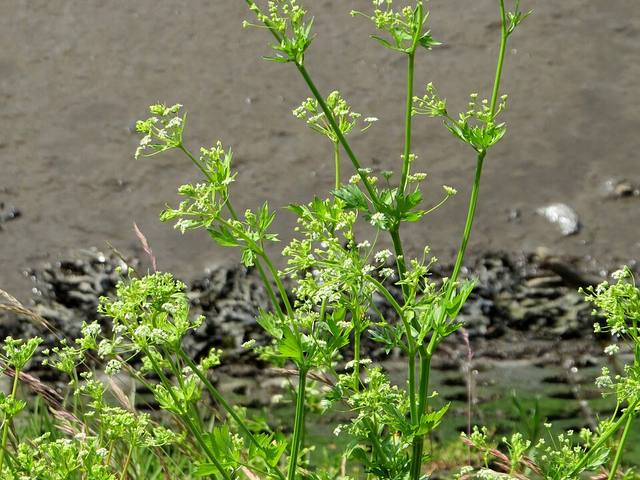
A knobbly, celery-flavoured root for soups and mash; it wants a long season, rich soil and steady water.
Hardiness: zones 3 to 9
Light: full sun
Size: about 2 ft tall, 1.5 ft wide
Harvest: September to November
From: Mediterranean marshes
Here: Hardy in the Lake Erie shore climate (zone 6b to 7a), so it can live outdoors in the ground.
Good for: food.
Native to: Mediterranean, Temperate Europe. Hardy in zones 3 to 9.
The story
Celeriac is the same species as celery, bred around the Mediterranean for its swollen stem base. It became a staple winter vegetable of France, Germany and Eastern Europe, grated raw in rémoulade or cooked in soups.
Planting
Start seed indoors ten weeks before the last frost. Plant out into rich, moist soil in sun.
Growing
It needs steady water and a long, cool season. Pull off the lower leaves late in summer so the knob swells smooth.
Harvest and use
Lift in autumn once it is the size of a fist or larger. Peel thickly; eat raw, roasted or mashed. It stores for months.
What to watch for
Dry spells make it small and woody. A cold snap early on can send it to seed.
See if Celeriac fits your yard
Free planner: enter your ZIP for frost dates, climate fit and a sowing calendar. No account, no ads, no tracking cookies.
More annual vegetables, herbs and grains
General guidance, not professional advice. Conditions vary by yard and year; for local specifics ask your county extension office. Never eat a wild plant you cannot identify with certainty. Traditional uses are shared as history, not medical advice. © 2026 Sean Priest · Irie Orchard. Terms & credits · Privacy · Home