Groundnut (hopniss)
Apios americana
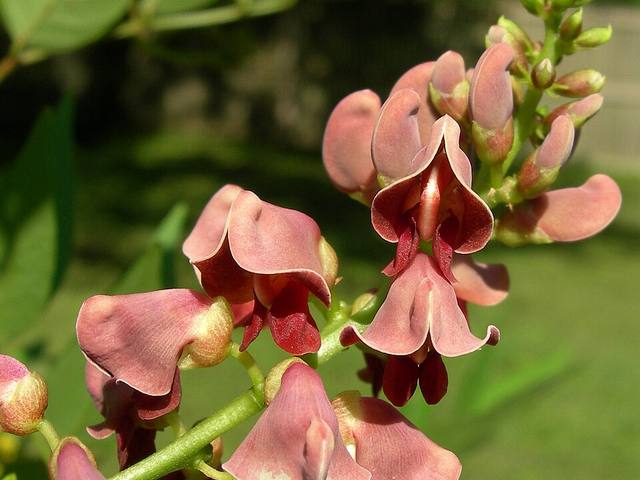
A nitrogen-fixing vine with nutty tubers on a string.
Hardiness: zones 3 to 10
Light: full sun to part shade
Size: about 8 ft tall, 3 ft wide
Harvest: October to November
From: E. North America
Here: Hardy in the Lake Erie shore climate (zone 6b to 7a), so it can live outdoors in the ground.
Good for: food, fixing nitrogen in the soil, butterfly and moth caterpillars.
Native to: Northeast, Southeast, Midwest & Great Lakes, Great Plains & Texas, Eastern Canada. Hardy in zones 3 to 10.
The story
Native to eastern North America, including Ohio. A traditional Indigenous food. It fixes nitrogen, and its tubers string together like beads.
Planting
Sun to part shade. Soil: moist (pH 5.5–7.0). Spacing: 1–2 ft along a support. Pollination: grown from tubers; no partner needed.
Growing
Water: likes moisture. Winter: Dig tubers any time the ground isn't frozen. Spring: Late to emerge. Summer: Fragrant maroon flowers. Fall: Dig after frosts. Leave some to regrow.
Harvest and use
Harvest: Fall–spring tubers. First crop: tubers worth digging after 2–3 years.
What to watch for
Rarely bothered.
See if Groundnut (hopniss) fits your yard
Free planner: enter your ZIP for frost dates, climate fit and a sowing calendar. No account, no ads, no tracking cookies.
More native and wild plants
General guidance, not professional advice. Conditions vary by yard and year; for local specifics ask your county extension office. Never eat a wild plant you cannot identify with certainty. Traditional uses are shared as history, not medical advice. © 2026 Sean Priest · Irie Orchard. Terms & credits · Privacy · Home