Black sapote
Diospyros nigra
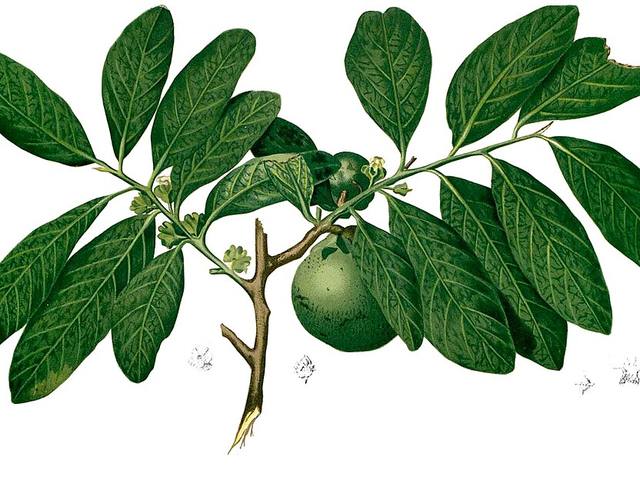
The chocolate-pudding fruit: pick green, wait until it's black and soft.
Hardiness: zones 10 to 12
Light: full sun to part shade
Size: about 40 ft tall, 30 ft wide
Harvest: March to February
From: Mexico and Central America
Drought-hardy once established
Here: Too tender to overwinter outdoors on the Lake Erie shore (zone 6b to 7a): grow it in a pot and bring it in, or treat it as an annual.
Good for: food.
Native to: Mexico, Central America & the Caribbean. Hardy in zones 10 to 12.
The story
Black sapote grows in the forests of Mexico and Central America, where the Aztec called it tliltzapotl and Spanish friars carried it to the Philippines; ripe, its flesh looks and tastes like chocolate pudding, and it is still sold in Mexican markets with orange juice or rum.
Planting
Full sun or part shade, any drained soil, heat; it takes brief light frost. Plant a grafted variety for reliable fruit; a large evergreen to 30 feet.
Growing
Water through dry spells and mulch. Prune to keep it pickable. Seedlings may be male or erratic; grafted trees bear in three to four years.
Harvest and use
Pick when the skin turns from bright to olive green and the cap lifts; ripen indoors until very soft. Spoon out the dark flesh; use in desserts and smoothies.
What to watch for
Frost on young trees; unripe fruit is astringent.
See if Black sapote fits your yard
Free planner: enter your ZIP for frost dates, climate fit and a sowing calendar. No account, no ads, no tracking cookies.
More tropical and subtropical food plants
- Allspice (pimienta gorda)
- Cas (sour Costa Rican guava)
- Sweet granadilla
- Naranjilla (lulo)
- Capulín (highland cherry)
- African oil palm
General guidance, not professional advice. Conditions vary by yard and year; for local specifics ask your county extension office. Never eat a wild plant you cannot identify with certainty. Traditional uses are shared as history, not medical advice. © 2026 Sean Priest · Irie Orchard. Terms & credits · Privacy · Home