Cambuci
Campomanesia phaea
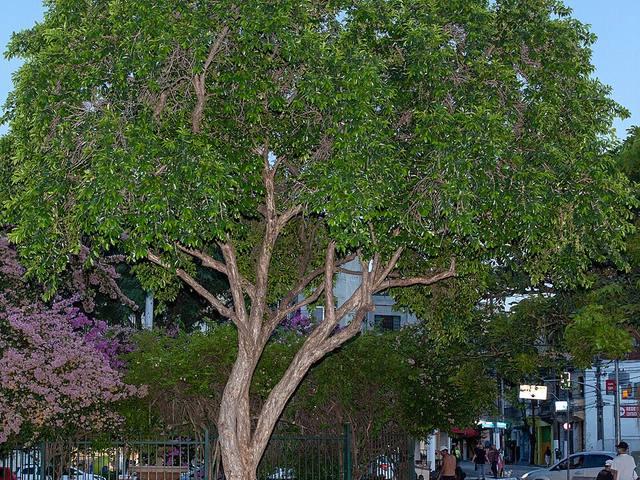
A green, flying-saucer-shaped fruit with a lemony bite; endangered in the wild, so every garden tree helps.
Hardiness: zones 9 to 11
Light: full sun to part shade
Size: about 20 ft tall, 15 ft wide
Harvest: July to September
From: Serra do Mar, São Paulo
Here: Too tender to overwinter outdoors on the Lake Erie shore (zone 6b to 7a): grow it in a pot and bring it in, or treat it as an annual.
Good for: food, pollinators.
Native to: Atlantic Forest of Brazil. Hardy in zones 9 to 11.
The story
Cambuci gave its name to a São Paulo neighbourhood, and its odd saucer shape is said to resemble the clay jugs once made there. Forest clearing left it endangered in the wild; growers in the Serra do Mar and a yearly festival keep it alive.
Planting
Full sun or part shade, moist, rich, well-drained soil. Grow from fresh seed; it bears in about four to five years and tolerates light frost.
Growing
Mulch, water in dry spells, and give it room: a grown tree reaches about 20 ft. Hand-pollinating is not needed.
Harvest and use
Green fruit with a strong lemon-pineapple aroma, too sour to eat raw. Use for juice, jam, liqueur, ice cream and sauces for meat.
What to watch for
Falls and bruises when ripe; collect from the ground daily. Rare in nurseries outside Brazil.
See if Cambuci fits your yard
Free planner: enter your ZIP for frost dates, climate fit and a sowing calendar. No account, no ads, no tracking cookies.
More tropical and subtropical food plants
General guidance, not professional advice. Conditions vary by yard and year; for local specifics ask your county extension office. Never eat a wild plant you cannot identify with certainty. Traditional uses are shared as history, not medical advice. © 2026 Sean Priest · Irie Orchard. Terms & credits · Privacy · Home