Cardamom
Elettaria cardamomum
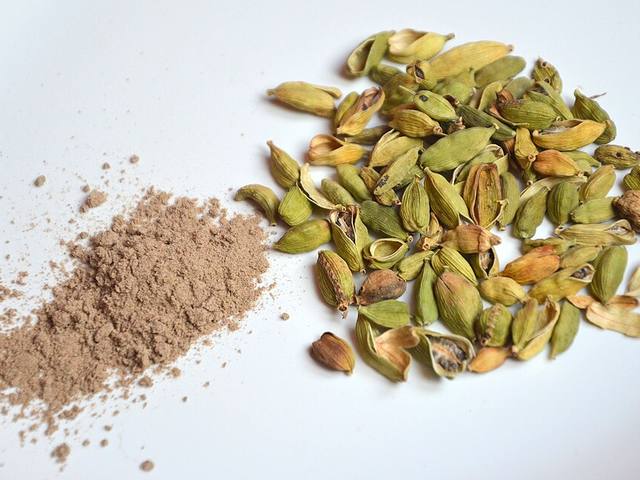
A shade-loving ginger cousin that grows under coconut and pepper in Kerala; pods form at the base.
Hardiness: zones 10 to 12
Light: shade
Size: about 8 ft tall, 4 ft wide
Harvest: September to December
From: Western Ghats of India
Here: Too tender to overwinter outdoors on the Lake Erie shore (zone 6b to 7a): grow it in a pot and bring it in, or treat it as an annual.
Good for: food, pollinators, traditional use, Ayurvedic tradition.
Native to: South & Southeast Asian tropics. Hardy in zones 10 to 12.
The story
Green cardamom grows wild in the monsoon forests of the Western Ghats, where it has been gathered for 3,000 years and traded to Babylon and Rome; it flavours Indian sweets, Arabic coffee and Scandinavian buns alike, and Guatemala now grows most of it.
Planting
Deep shade, rich, moist, drained soil, heat and humidity; a clumping plant to 10 feet, good in a large pot in a warm greenhouse. Plant a division.
Growing
Keep moist and humid, mulch thickly, and feed lightly. It flowers at the base on trailing stems in its third year.
Harvest and use
Pods ripen on the ground-level flower stems through the warm months; pick when nearly ripe, before they split, and dry slowly in shade.
What to watch for
Dry air, sun scorch, and cold.
Safety
Medicinal uses here are shared as history, not advice. Kitchen amounts are fine for most people, but teas, tinctures and supplements can interact with medicines and aren't safe for everyone, especially in pregnancy, while breastfeeding, for children, or with liver or kidney problems. Ask a doctor or pharmacist before taking any plant as medicine.
See if Cardamom fits your yard
Free planner: enter your ZIP for frost dates, climate fit and a sowing calendar. No account, no ads, no tracking cookies.
More tropical and subtropical food plants
General guidance, not professional advice. Conditions vary by yard and year; for local specifics ask your county extension office. Never eat a wild plant you cannot identify with certainty. Traditional uses are shared as history, not medical advice. © 2026 Sean Priest · Irie Orchard. Terms & credits · Privacy · Home