Carrot
Daucus carota subsp. sativus
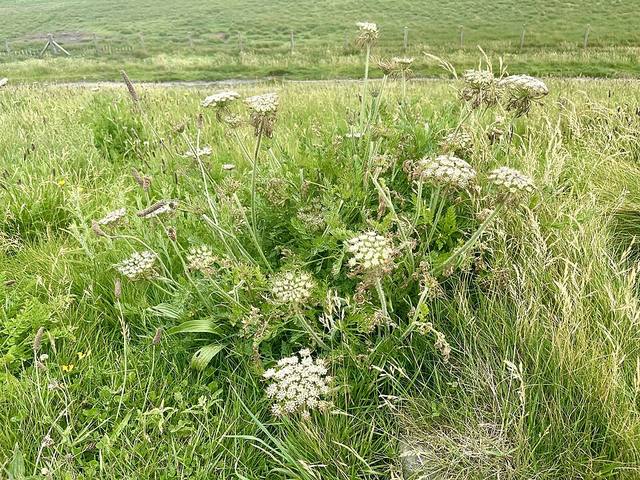
Keep the seedbed damp until they sprout; it can take two weeks.
Hardiness: zones 2 to 11
Light: full sun
Size: about 1 ft tall, 0.3 ft wide
Harvest: June to November
From: Central Asia
Here: Hardy in the Lake Erie shore climate (zone 6b to 7a), so it can live outdoors in the ground.
Good for: food.
Native to: Temperate Europe, Mediterranean. Hardy in zones 2 to 11.
The story
Carrots were domesticated in Afghanistan as a purple and yellow root, and Dutch growers selected the orange kind in the 1600s; the Hidatsa and other Plains peoples gathered a native wild carrot long before. The seed is slow and the soil must be loose.
Planting
Full sun and deep, loose, stone-free soil; sow seed directly and shallowly from early spring, keeping the bed moist for the two slow weeks to germinate.
Growing
Thin to 2 inches, water steadily, and hill soil over exposed shoulders to keep them from greening. No fresh manure, which forks the roots.
Harvest and use
Pull from 60 days on; autumn-sown carrots sweeten under mulch through winter. Twist off tops before storing.
What to watch for
Carrot rust fly, forking in rocky or rich soil, and poor germination in dry beds.
See if Carrot fits your yard
Free planner: enter your ZIP for frost dates, climate fit and a sowing calendar. No account, no ads, no tracking cookies.
More annual vegetables, herbs and grains
General guidance, not professional advice. Conditions vary by yard and year; for local specifics ask your county extension office. Never eat a wild plant you cannot identify with certainty. Traditional uses are shared as history, not medical advice. © 2026 Sean Priest · Irie Orchard. Terms & credits · Privacy · Home