Elderberry
Sambucus canadensis
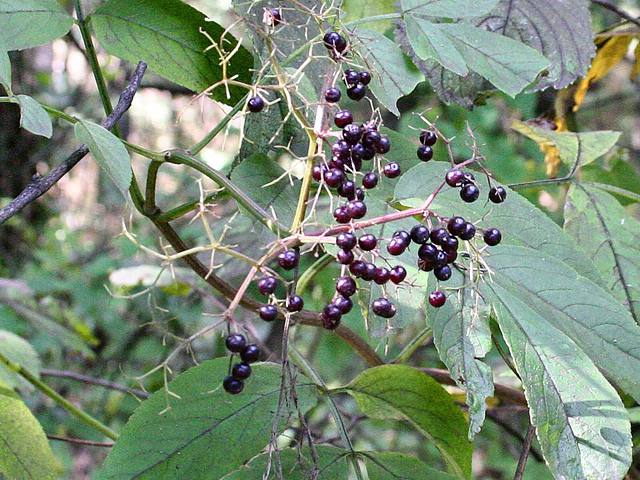
Cook the berries; flowers make cordial.
Hardiness: zones 3 to 9
Light: full sun to part shade
Size: about 8 ft tall, 8 ft wide
Harvest: August to September
From: North America
Here: Hardy in the Lake Erie shore climate (zone 6b to 7a), so it can live outdoors in the ground.
Good for: food, pollinators, wildlife, traditional use.
Native to: Northeast, Southeast, Midwest & Great Lakes, Great Plains & Texas, Eastern Canada. Hardy in zones 3 to 9.
The story
Native across eastern North America, including Ohio wetlands and roadsides. Elderberries are cooked into syrups, jams and pies.
Planting
Sun to part shade. Soil: moist; tolerates wet clay (pH 5.5–6.5). Spacing: 6 ft. Pollination: partly self-fertile. A different variety boosts the crop.
Growing
Water: likes moisture. Winter: Remove canes older than 3 years. Spring: Big flat white flower clusters, edible as elderflower. Summer: Birds love the fruit. Fall: Cut whole clusters and strip the berries.
Harvest and use
Harvest: Late August–September. First crop: 1–2 years.
What to watch for
Birds, cane borers. Raw berries, stems and leaves can make you sick, so cook the berries.
Safety
Raw elderberries, unripe berries, seeds, leaves and stems can cause nausea and vomiting. Eat only ripe berries that have been cooked, and leave out the stems.
Medicinal uses here are shared as history, not advice. Kitchen amounts are fine for most people, but teas, tinctures and supplements can interact with medicines and aren't safe for everyone, especially in pregnancy, while breastfeeding, for children, or with liver or kidney problems. Ask a doctor or pharmacist before taking any plant as medicine.
See if Elderberry fits your yard
Free planner: enter your ZIP for frost dates, climate fit and a sowing calendar. No account, no ads, no tracking cookies.
More berries and small fruit
General guidance, not professional advice. Conditions vary by yard and year; for local specifics ask your county extension office. Never eat a wild plant you cannot identify with certainty. Traditional uses are shared as history, not medical advice. © 2026 Sean Priest · Irie Orchard. Terms & credits · Privacy · Home