Ginger
Zingiber officinale
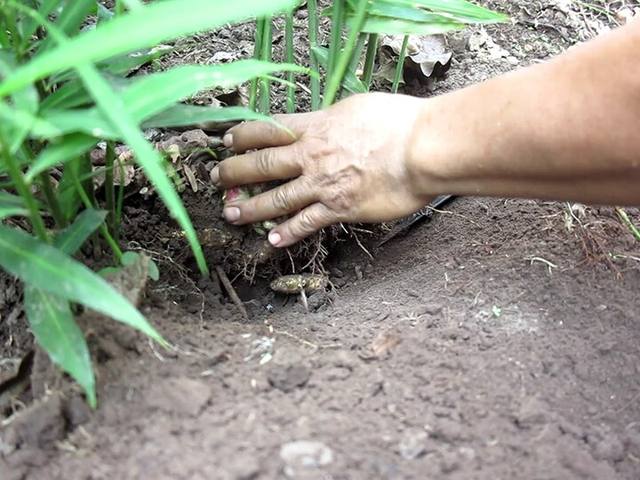
Wants warmth, shade and steady water.
Hardiness: zones 9 to 12
Light: part shade
Size: about 3 ft tall, 2 ft wide
Harvest: October to December
From: S. Asia
Here: Too tender to overwinter outdoors on the Lake Erie shore (zone 6b to 7a): grow it in a pot and bring it in, or treat it as an annual.
Good for: food, traditional use, Ayurvedic tradition.
Native to: South & Southeast Asian tropics. Hardy in zones 9 to 12.
The story
Ginger was grown in tropical Asia so long ago that its wild ancestor is lost; it reached the Mediterranean by Roman times and was a staple of medieval European spice trade, worth a sheep per pound. Jamaica and Hawaiʻi grew it for the English and the Americans.
Planting
Bright shade, rich loose soil, warmth and humidity; a wide, shallow pot works anywhere. Plant a plump rhizome with buds in spring, barely covered.
Growing
Keep moist and feed monthly; it dislikes direct hot sun and cold wind. The leaves reach 3 feet by late summer.
Harvest and use
Dig young, tender ginger at four months or mature, fibrous rhizomes at eight to ten, when the leaves yellow. Save a piece to replant.
What to watch for
Rot in cold wet soil, and nematodes in old ground.
Safety
Medicinal uses here are shared as history, not advice. Kitchen amounts are fine for most people, but teas, tinctures and supplements can interact with medicines and aren't safe for everyone, especially in pregnancy, while breastfeeding, for children, or with liver or kidney problems. Ask a doctor or pharmacist before taking any plant as medicine.
See if Ginger fits your yard
Free planner: enter your ZIP for frost dates, climate fit and a sowing calendar. No account, no ads, no tracking cookies.
More perennial vegetables, greens and herbs
General guidance, not professional advice. Conditions vary by yard and year; for local specifics ask your county extension office. Never eat a wild plant you cannot identify with certainty. Traditional uses are shared as history, not medical advice. © 2026 Sean Priest · Irie Orchard. Terms & credits · Privacy · Home