Parsnip
Pastinaca sativa
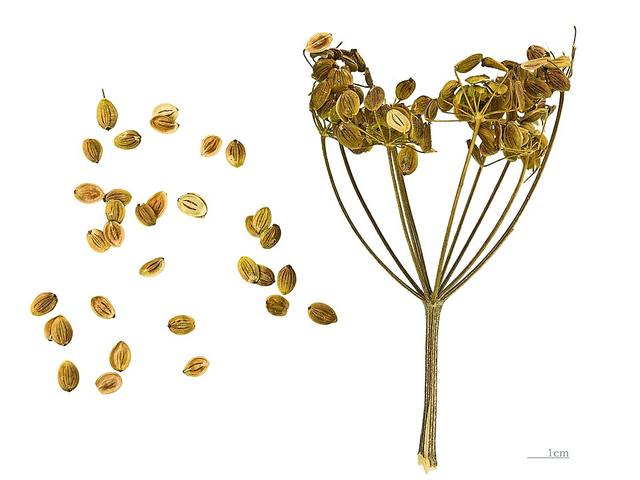
A long cream root that turns sweet after frost; sow fresh seed early and leave the crop in the ground for winter.
Hardiness: zones 2 to 9
Light: full sun
Size: about 3 ft tall, 1 ft wide
Harvest: October to March
From: Europe and W. Asia
Here: Hardy in the Lake Erie shore climate (zone 6b to 7a), so it can live outdoors in the ground.
Good for: food, pollinators.
Native to: Temperate Europe, Mediterranean. Hardy in zones 2 to 9.
The story
Parsnips were a main winter root across Europe, and a source of sweetness, before the potato and cane sugar arrived. The Romans grew them, and they came to North America with the first colonists.
Planting
Full sun and deep, stone-free soil. Sow fresh seed directly in early spring; it will not transplant.
Growing
Seed is slow, up to four weeks. Keep the row moist until it shows, then thin to four inches.
Harvest and use
Dig after the first hard frosts, when the starch has turned to sugar, and through winter as the ground allows. Roast, mash or add to soup.
What to watch for
Seed more than a year old rarely sprouts. The sap of the leaves can blister skin in bright sun; wear gloves when weeding.
See if Parsnip fits your yard
Free planner: enter your ZIP for frost dates, climate fit and a sowing calendar. No account, no ads, no tracking cookies.
More annual vegetables, herbs and grains
General guidance, not professional advice. Conditions vary by yard and year; for local specifics ask your county extension office. Never eat a wild plant you cannot identify with certainty. Traditional uses are shared as history, not medical advice. © 2026 Sean Priest · Irie Orchard. Terms & credits · Privacy · Home