Pea
Pisum sativum
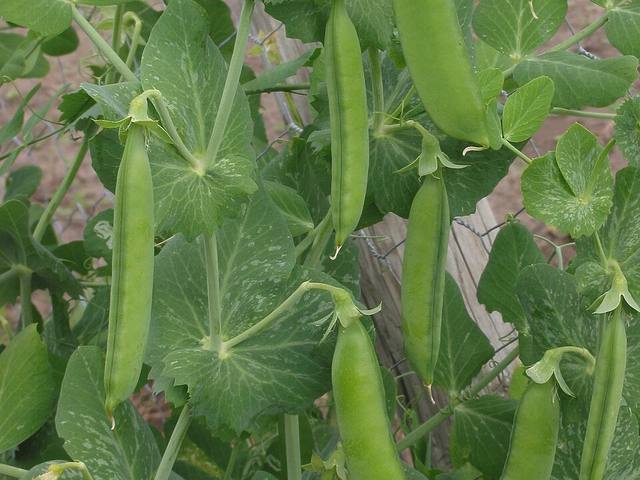
Sow as soon as the soil can be worked; peas sulk in heat.
Hardiness: zones 2 to 11
Light: full sun to part shade
Size: about 4 ft tall, 1 ft wide
Harvest: May to June
From: Mediterranean and Middle East
Here: Hardy in the Lake Erie shore climate (zone 6b to 7a), so it can live outdoors in the ground.
Good for: food, fixing nitrogen in the soil.
Hardy in zones 2 to 11.
The story
Peas were among the first crops of the Fertile Crescent 9,000 years ago and were eaten dried for most of history; fresh garden peas were a court luxury under Louis XIV, and Gregor Mendel's pea crosses founded genetics. Snow and snap peas came from Chinese and later American breeding.
Planting
Full sun or light shade and cool weather; sow seed directly as soon as the ground can be worked in spring, or in autumn in mild climates. Give climbing types a net.
Growing
Water in dry spells; no feeding. Mulch to keep roots cool. Pull the vines when heat ends them and sow a summer crop in their place.
Harvest and use
Pick shelling peas when pods fill, snow peas flat, snap peas plump; every other day in late spring. Shoots and tendrils are edible.
What to watch for
Powdery mildew in late spring, pea weevil, and heat.
See if Pea fits your yard
Free planner: enter your ZIP for frost dates, climate fit and a sowing calendar. No account, no ads, no tracking cookies.
More annual vegetables, herbs and grains
General guidance, not professional advice. Conditions vary by yard and year; for local specifics ask your county extension office. Never eat a wild plant you cannot identify with certainty. Traditional uses are shared as history, not medical advice. © 2026 Sean Priest · Irie Orchard. Terms & credits · Privacy · Home