Rooibos
Aspalathus linearis
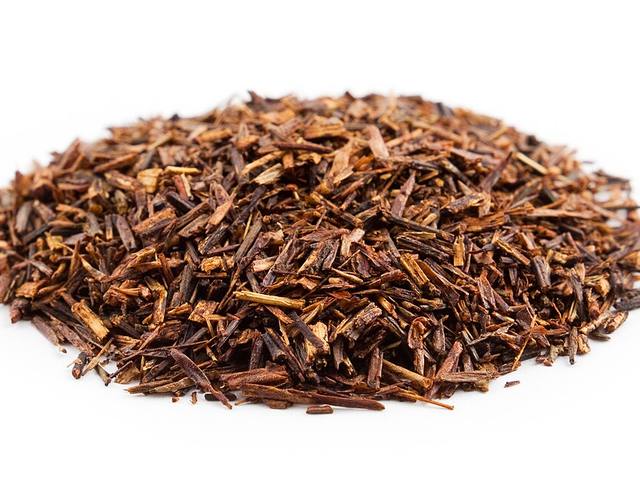
A needle-leaved broom of sandy fynbos; cut, bruised and sun-dried it turns into red bush tea. Fussy outside its home soils.
Hardiness: zones 9 to 11
Light: full sun
Size: about 5 ft tall, 4 ft wide
Harvest: January to March
From: Cederberg, South Africa
Drought-hardy once established
Here: Too tender to overwinter outdoors on the Lake Erie shore (zone 6b to 7a): grow it in a pot and bring it in, or treat it as an annual.
Good for: food, fixing nitrogen in the soil, pollinators, traditional use.
Native to: Cape of South Africa. Hardy in zones 9 to 11.
The story
The Khoisan people of the Cederberg were the first to cut, bruise and sun-dry rooibos for tea. It grows wild only in that small corner of the Western Cape, and efforts to farm it anywhere else in the world have largely failed.
Planting
Full sun and deep, acid, sandy soil with winter rain and dry summers. It is difficult away from its home conditions.
Growing
Do not feed it; it makes its own nitrogen and dislikes phosphorus. Keep it dry in summer.
Harvest and use
Cut the leafy tips in summer, chop finely, dampen, heap to redden for a day, then dry in the sun. Unfermented, it makes green rooibos.
What to watch for
Seed needs scratching before sowing. Humid summers, frost and heavy soil kill it.
Safety
Medicinal uses here are shared as history, not advice. Kitchen amounts are fine for most people, but teas, tinctures and supplements can interact with medicines and aren't safe for everyone, especially in pregnancy, while breastfeeding, for children, or with liver or kidney problems. Ask a doctor or pharmacist before taking any plant as medicine.
See if Rooibos fits your yard
Free planner: enter your ZIP for frost dates, climate fit and a sowing calendar. No account, no ads, no tracking cookies.
More perennial vegetables, greens and herbs
General guidance, not professional advice. Conditions vary by yard and year; for local specifics ask your county extension office. Never eat a wild plant you cannot identify with certainty. Traditional uses are shared as history, not medical advice. © 2026 Sean Priest · Irie Orchard. Terms & credits · Privacy · Home