Black alder
Alnus glutinosa
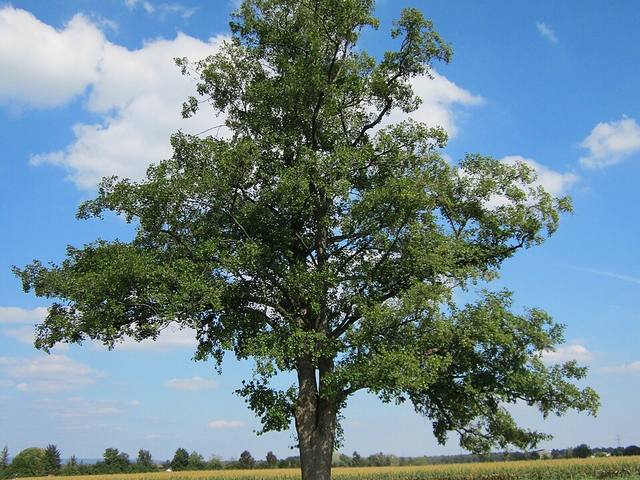
Fixes nitrogen in wet ground and shelters a forest garden. It spreads in eastern North America, so plant it only where it is native.
Hardiness: zones 3 to 7
Light: full sun
Size: about 60 ft tall, 30 ft wide
From: Europe to Siberia
Here: Hardy in the Lake Erie shore climate (zone 6b to 7a), so it can live outdoors in the ground.
Good for: fixing nitrogen in the soil, wildlife.
Native to: Temperate Europe, Northern Europe & the taiga. Hardy in zones 3 to 7.
The story
Black alder grows with its roots in European rivers. Its wood lasts for centuries under water: much of Venice stands on alder piles. Nitrogen-fixing nodules on the roots let it feed itself and its neighbors.
Planting
Full sun and wet or heavy soil. It is at home on a stream bank or pond edge.
Growing
Coppice it every several years for poles and mulch; it regrows fast.
Harvest and use
Shelter and nitrogen for a forest garden, and winter seed cones for siskins and redpolls.
What to watch for
It seeds along waterways in eastern North America. Plant it only where it is native.
See if Black alder fits your yard
Free planner: enter your ZIP for frost dates, climate fit and a sowing calendar. No account, no ads, no tracking cookies.
More native and wild plants
General guidance, not professional advice. Conditions vary by yard and year; for local specifics ask your county extension office. Never eat a wild plant you cannot identify with certainty. Traditional uses are shared as history, not medical advice. © 2026 Sean Priest · Irie Orchard. Terms & credits · Privacy · Home