Cabbage
Brassica oleracea (Capitata)
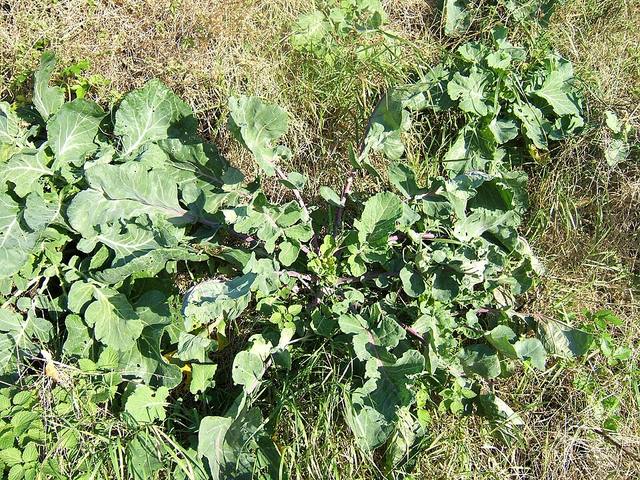
Cover it with netting and the cabbage worms go elsewhere.
Hardiness: zones 2 to 11
Light: full sun
Size: about 1.5 ft tall, 2 ft wide
Harvest: June to October
From: Mediterranean
Here: Hardy in the Lake Erie shore climate (zone 6b to 7a), so it can live outdoors in the ground.
Good for: food.
Native to: Temperate Europe, Mediterranean. Hardy in zones 2 to 11.
The story
Cabbage was bred from a wild coastal plant in Europe and became the winter vegetable of the north, fermented into sauerkraut in Germany and kimchi, once Chinese cabbage met the chile, in Korea. Captain Cook carried sauerkraut against scurvy.
Planting
Full sun and rich, firm soil; set out plants in early spring for summer heads or midsummer for autumn, 18 inches apart. Autumn cabbage is the sweeter crop.
Growing
Water steadily; uneven water splits heads. Feed with compost and mulch. Net against cabbage white butterflies.
Harvest and use
Cut heads when firm; leave the stump and small heads will follow. Autumn heads store for months cold.
What to watch for
Cabbage worms, root maggots, clubroot in acid soil, and splitting after rain.
See if Cabbage fits your yard
Free planner: enter your ZIP for frost dates, climate fit and a sowing calendar. No account, no ads, no tracking cookies.
More annual vegetables, herbs and grains
General guidance, not professional advice. Conditions vary by yard and year; for local specifics ask your county extension office. Never eat a wild plant you cannot identify with certainty. Traditional uses are shared as history, not medical advice. © 2026 Sean Priest · Irie Orchard. Terms & credits · Privacy · Home