Chestnut
Castanea mollissima and hybrids
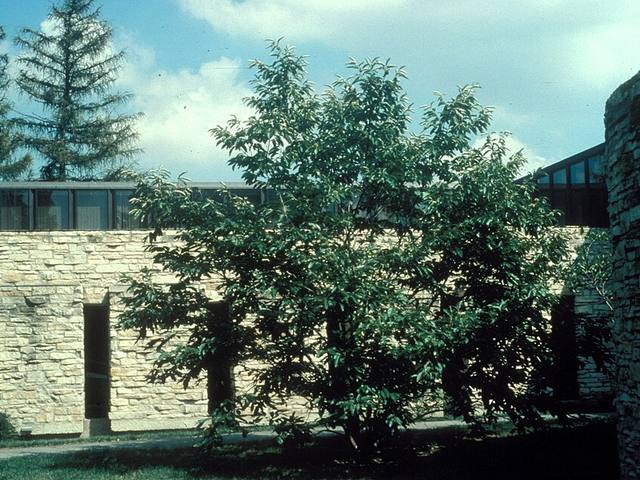
Blight-resistant kinds bear starchy nuts for roasting.
Hardiness: zones 4 to 8
Light: full sun
Size: about 40 ft tall, 35 ft wide
Harvest: September to October
From: E. Asia
Here: Hardy in the Lake Erie shore climate (zone 6b to 7a), so it can live outdoors in the ground.
Good for: food, wildlife.
Native to: East Asia. Hardy in zones 4 to 8.
The story
Chestnuts were the bread of mountain Europe and Japan for centuries, ground into flour where wheat would not grow. The American chestnut, once a quarter of the Appalachian forest, was wiped out by blight after 1904; Chinese and hybrid chestnuts carry the resistance that lets the nut come back.
Planting
Full sun, acid to neutral drained soil, and two or more trees for pollination; they are wind-pollinated. Plant in spring; grafted or seedling Chinese and hybrid types bear in four to six years.
Growing
Water young trees, mulch, and prune to a single leader. They dislike lime and wet feet. The June flowers have a strong smell.
Harvest and use
Burs open and drop in early autumn; gather daily before squirrels do, wearing gloves. Cure a week in a cool place to sweeten, then roast, boil or dry.
What to watch for
Chestnut blight on susceptible trees, chestnut weevil, and gall wasp where present.
See if Chestnut fits your yard
Free planner: enter your ZIP for frost dates, climate fit and a sowing calendar. No account, no ads, no tracking cookies.
More nut trees
General guidance, not professional advice. Conditions vary by yard and year; for local specifics ask your county extension office. Never eat a wild plant you cannot identify with certainty. Traditional uses are shared as history, not medical advice. © 2026 Sean Priest · Irie Orchard. Terms & credits · Privacy · Home