Dill
Anethum graveolens
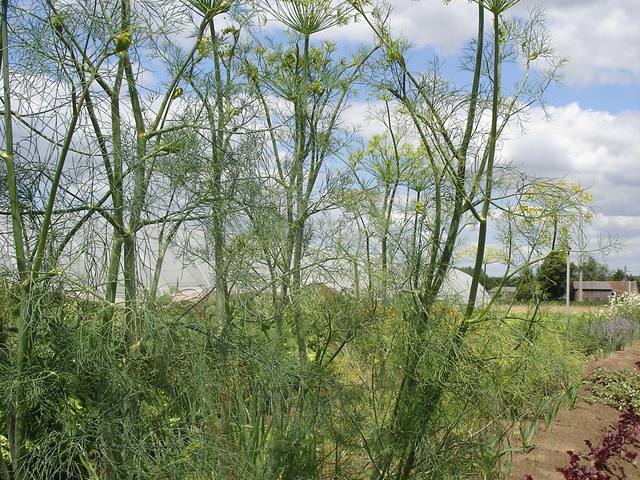
Swallowtail caterpillars will want a share; plant extra.
Hardiness: zones 2 to 11
Light: full sun
Size: about 3 ft tall, 1 ft wide
Harvest: June to September
From: SW Asia
Here: Hardy in the Lake Erie shore climate (zone 6b to 7a), so it can live outdoors in the ground.
Good for: food, pollinators, butterfly and moth caterpillars.
Hardy in zones 2 to 11.
The story
Dill was a medicine of ancient Egypt and a charm against witches in medieval Europe; Scandinavians cure salmon with it and Eastern Europeans pickle cucumbers with the seed heads. It sows itself once welcomed.
Planting
Full sun, any soil; sow directly in spring and again in summer, since it bolts quickly. Do not transplant; it resents it.
Growing
Water in dry spells; no feeding. Let some plants flower for swallowtail caterpillars, beneficial wasps and next year's seedlings.
Harvest and use
Cut leaves any time; cut flower heads for pickling when open; harvest seed when brown.
What to watch for
Aphids, and its short life; keep sowing.
See if Dill fits your yard
Free planner: enter your ZIP for frost dates, climate fit and a sowing calendar. No account, no ads, no tracking cookies.
More annual vegetables, herbs and grains
General guidance, not professional advice. Conditions vary by yard and year; for local specifics ask your county extension office. Never eat a wild plant you cannot identify with certainty. Traditional uses are shared as history, not medical advice. © 2026 Sean Priest · Irie Orchard. Terms & credits · Privacy · Home