Japanese chestnut
Castanea crenata
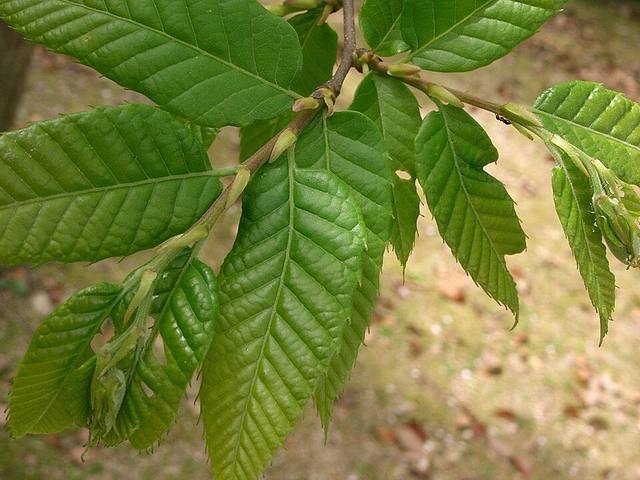
Big nuts for kuri gohan, chestnut rice; it resists chestnut blight and is a parent of many blight-tolerant hybrids.
Hardiness: zones 5 to 9
Light: full sun
Size: about 30 ft tall, 30 ft wide
Harvest: September to October
From: Japan and Korea
Here: Hardy in the Lake Erie shore climate (zone 6b to 7a), so it can live outdoors in the ground.
Good for: food, wildlife, pollinators.
Native to: Japan & its islands, East Asia. Hardy in zones 5 to 9.
The story
Japanese chestnuts have been gathered and planted in Japan since the Jomon period. Kuri gohan, rice cooked with chestnuts, marks autumn, and the trees' resistance to chestnut blight made them a parent of many blight-tolerant hybrids.
Planting
Full sun, well-drained acid soil. Plant two different trees for pollination.
Growing
Fast to bear, often in three to five years. Prune lightly in winter.
Harvest and use
Collect nuts as the spiny husks split in autumn; roast, boil or cook with rice.
What to watch for
Spiny husks: wear gloves. Needs a second tree nearby for good crops.
See if Japanese chestnut fits your yard
Free planner: enter your ZIP for frost dates, climate fit and a sowing calendar. No account, no ads, no tracking cookies.
More nut trees
General guidance, not professional advice. Conditions vary by yard and year; for local specifics ask your county extension office. Never eat a wild plant you cannot identify with certainty. Traditional uses are shared as history, not medical advice. © 2026 Sean Priest · Irie Orchard. Terms & credits · Privacy · Home