Lapsi (Nepali hog plum)
Choerospondias axillaris
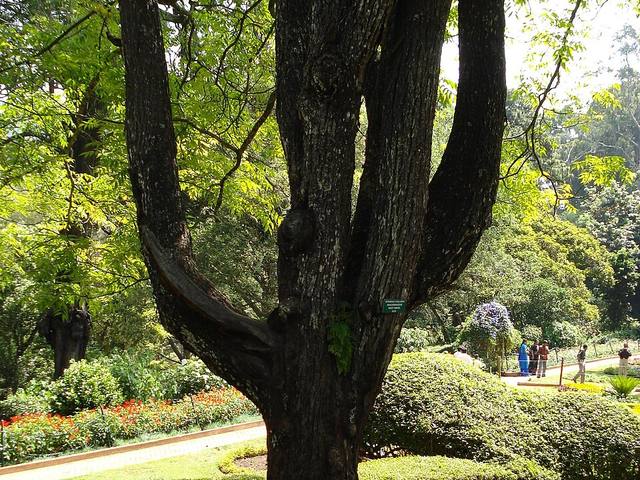
Kathmandu's sour fruit: boiled, mashed and dried into titaura, the candy every Nepali child knows.
Hardiness: zones 8 to 11
Light: full sun
Size: about 60 ft tall, 40 ft wide
Harvest: September to December
From: Nepal to southern China and Vietnam
Here: Too tender to overwinter outdoors on the Lake Erie shore (zone 6b to 7a): grow it in a pot and bring it in, or treat it as an annual.
Good for: food, wildlife, pollinators.
Native to: Himalaya & Indian hill country, East Asia, South & Southeast Asian tropics. Hardy in zones 8 to 11.
The story
Lapsi is the taste of a Kathmandu childhood. The sour fruit is boiled, the pulp mixed with sugar, salt and chili, and dried into sheets and nuggets called titaura, sold outside every school. The hard, five-eyed stones are strung as prayer beads.
Planting
Sun and deep, moist soil in a warm temperate or subtropical climate. Plant male and female for fruit.
Growing
Water young trees. It grows fast and gives good shade.
Harvest and use
Fruit falls from late autumn into winter. Boil it to slip the skins, then make pickle, candy or a sour soup base.
What to watch for
Only female trees fruit. Frost when young.
See if Lapsi (Nepali hog plum) fits your yard
Free planner: enter your ZIP for frost dates, climate fit and a sowing calendar. No account, no ads, no tracking cookies.
More fruit trees
- Quandong (desert peach)
- Desert lime
- Sandpaper fig
- Cherry of the Rio Grande
- Yamamomo (red bayberry)
- Shikuwasa (Okinawan lime)
General guidance, not professional advice. Conditions vary by yard and year; for local specifics ask your county extension office. Never eat a wild plant you cannot identify with certainty. Traditional uses are shared as history, not medical advice. © 2026 Sean Priest · Irie Orchard. Terms & credits · Privacy · Home