Lima bean (butter bean)
Phaseolus lunatus
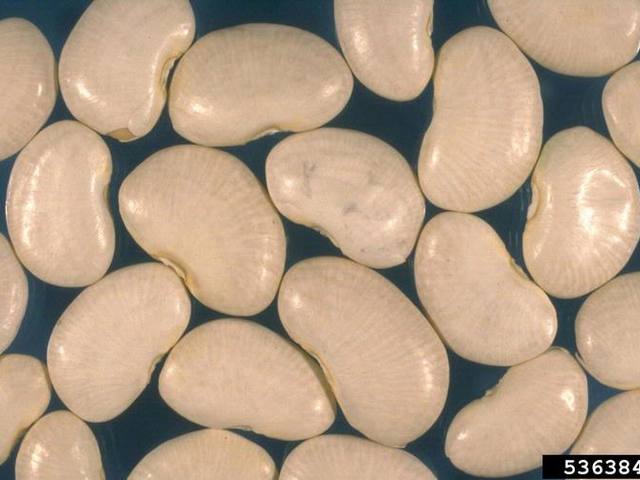
Tamed twice, in Peru and in Mesoamerica; big flat beans that want real heat and are always eaten cooked.
Hardiness: zones 5 to 12
Light: full sun
Size: about 10 ft tall, 1 ft wide
Harvest: August to October
From: Andes and Central America
Drought-hardy once established
Here: Hardy in the Lake Erie shore climate (zone 6b to 7a), so it can live outdoors in the ground.
Good for: food, fixing nitrogen in the soil.
Native to: Mexico, Central America & the Caribbean, Andean highlands. Hardy in zones 5 to 12.
The story
The lima bean was tamed twice: large-seeded kinds in the Andes, which gave it the name of Peru's capital, and small sieva types in Mesoamerica. Moche potters painted it on their vessels.
Planting
Full sun and thoroughly warm soil, two weeks or more after the last frost.
Growing
Pole kinds need a tall support and a long season; bush kinds are quicker. Do not overfeed.
Harvest and use
Pick pods when plump for fresh shelling beans, or leave them to dry on the vine. Always cook lima beans.
What to watch for
Raw beans contain a natural toxin that boiling removes. Cold, wet soil rots the seed.
See if Lima bean (butter bean) fits your yard
Free planner: enter your ZIP for frost dates, climate fit and a sowing calendar. No account, no ads, no tracking cookies.
More annual vegetables, herbs and grains
General guidance, not professional advice. Conditions vary by yard and year; for local specifics ask your county extension office. Never eat a wild plant you cannot identify with certainty. Traditional uses are shared as history, not medical advice. © 2026 Sean Priest · Irie Orchard. Terms & credits · Privacy · Home