Lotus (root and seeds)
Nelumbo nucifera
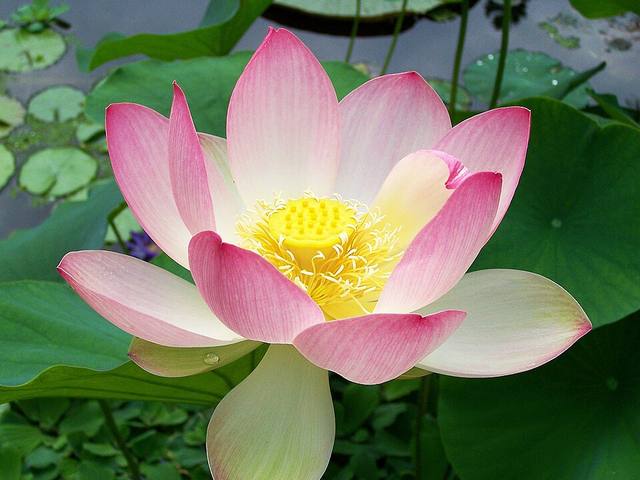
Crunchy rhizomes and nutty seeds from a pond or a sunken tub; hardy far north of the tropics.
Hardiness: zones 5 to 11
Light: full sun
Size: about 4 ft tall, 6 ft wide
Harvest: September to November
From: Asia
Here: Hardy in the Lake Erie shore climate (zone 6b to 7a), so it can live outdoors in the ground.
Good for: food, pollinators, wildlife.
Native to: South & Southeast Asian tropics, East Asia. Hardy in zones 5 to 11.
The story
Lotus has fed Asia for 7,000 years and been sacred in it for 3,000: Buddhist and Hindu deities sit on its flower, Chinese cooks braise the crunchy root and candy the seeds, and Vietnamese scent tea with the stamens. It is hardy far north of the tropics.
Planting
Full sun, a pond, tub or sunken container with rich mud under 6 to 18 inches of water. Plant a rhizome horizontally in spring once water warms.
Growing
Feed with aquatic fertilizer tabs monthly in summer; keep the water up. Let the leaves die back in autumn and leave the rhizome in place below the freeze line.
Harvest and use
Dig rhizomes after the leaves die in autumn; slice and cook. Seeds from the dried pods in late summer, shelled and the bitter green germ removed. Young leaves wrap rice.
What to watch for
Aphids on the leaves, and water that freezes through the rhizomes.
See if Lotus (root and seeds) fits your yard
Free planner: enter your ZIP for frost dates, climate fit and a sowing calendar. No account, no ads, no tracking cookies.
More perennial vegetables, greens and herbs
- Elephant foot yam (suran)
- Tulsi (holy basil)
- Drumstick (moringa, for pods)
- Timur (Nepal pepper)
- Large cardamom
- Tree collards
General guidance, not professional advice. Conditions vary by yard and year; for local specifics ask your county extension office. Never eat a wild plant you cannot identify with certainty. Traditional uses are shared as history, not medical advice. © 2026 Sean Priest · Irie Orchard. Terms & credits · Privacy · Home