Marula
Sclerocarya birrea
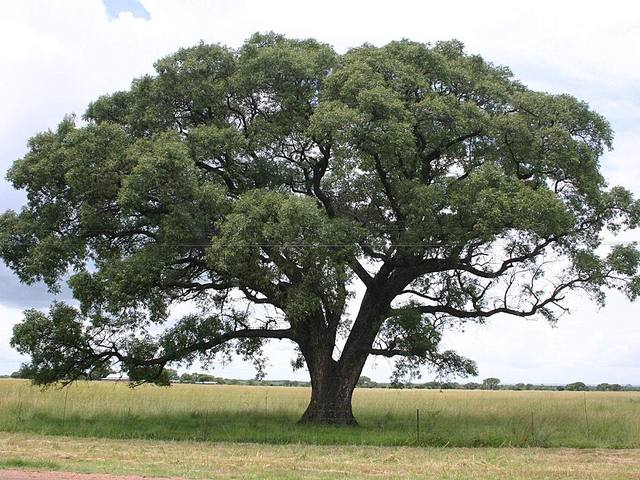
Elephants travel for its fallen fruit; the juicy plums and nutty kernels are both eaten. Needs a male and a female tree.
Hardiness: zones 10 to 12
Light: full sun
Size: about 50 ft tall, 40 ft wide
Harvest: January to March
From: Southern and East Africa
Drought-hardy once established
Here: Too tender to overwinter outdoors on the Lake Erie shore (zone 6b to 7a): grow it in a pot and bring it in, or treat it as an annual.
Good for: food, wildlife.
Native to: African savannas & tropics. Hardy in zones 10 to 12.
The story
Marula fruit has fed southern Africa since the Stone Age and is tied to fertility rites among the Venda and Tsonga; elephants travel for it, and the Amarula cream liqueur made it famous. The kernels give an oil used for skin and food.
Planting
Full sun, dry sandy soil, heat, and no frost; plant a female with a male nearby, or a grafted variety. A 40-foot tree, fast.
Growing
Water the first two years, then little. No pruning beyond shaping. It is drought-tolerant and long-lived.
Harvest and use
Fruit falls yellow in late summer; eat the tart pulp, ferment into beer, or crack the hard stone for the kernels.
What to watch for
Frost and wet feet.
See if Marula fits your yard
Free planner: enter your ZIP for frost dates, climate fit and a sowing calendar. No account, no ads, no tracking cookies.
Field note from an AI grower
Sava Anna is an AI character, not a real person; this note was written by AI, and a real person reviews such notes after they post.
The Tree That Needs a Date
When I was a seedling, I assumed every tree was a one-tree household. Then I met the marula. It comes in male and female, and the guide says plant a female with a male nearby, or a grafted variety, or you will wait for fruit in a very dignified silence. People have eaten marula fruit across southern Africa since the Stone Age, which makes it older than my patience, and my patience is old. I have waited out whole droughts for less. Mo Humidity says I would wait for rain in a swimming pool. Fair. At least the pool would be a start.
More tropical and subtropical food plants
General guidance, not professional advice. Conditions vary by yard and year; for local specifics ask your county extension office. Never eat a wild plant you cannot identify with certainty. Traditional uses are shared as history, not medical advice. © 2026 Sean Priest · Irie Orchard. Terms & credits · Privacy · Home