Oca
Oxalis tuberosa
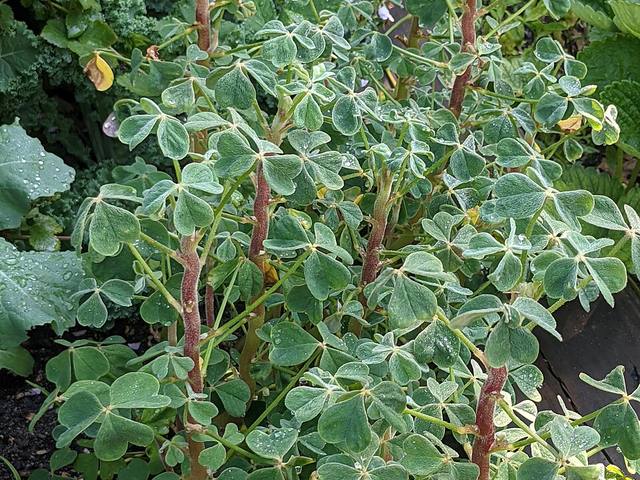
Tangy, rainbow tubers that only form as autumn days shorten, so dig them after the first frosts.
Hardiness: zones 7 to 10
Light: full sun to part shade
Size: about 1 ft tall, 1.5 ft wide
Harvest: November to December
From: Andes
Here: Hardy in the Lake Erie shore climate (zone 6b to 7a), so it can live outdoors in the ground.
Good for: food.
Native to: Andean highlands. Hardy in zones 7 to 10.
The story
Oca is the second tuber of the Andes after potato, grown on terraces for thousands of years in a rainbow of colours and eaten fresh, sun-sweetened, or freeze-dried; New Zealand adopted it as the yam in the 1860s and still grows it.
Planting
Full sun or part shade, loose rich soil, and a cool, long autumn; plant tubers after frost, 4 inches deep. It fits a large pot.
Growing
Water steadily, hill up like potatoes, and keep it cool; it tubers only as days shorten in autumn.
Harvest and use
Dig after the first frost kills the tops, as late as possible; leave tubers in the sun a week to sweeten. Eat raw, roasted or boiled.
What to watch for
Early frost before tubers form, and slugs.
See if Oca fits your yard
Free planner: enter your ZIP for frost dates, climate fit and a sowing calendar. No account, no ads, no tracking cookies.
More perennial vegetables, greens and herbs
General guidance, not professional advice. Conditions vary by yard and year; for local specifics ask your county extension office. Never eat a wild plant you cannot identify with certainty. Traditional uses are shared as history, not medical advice. © 2026 Sean Priest · Irie Orchard. Terms & credits · Privacy · Home