Pole bean
Phaseolus vulgaris
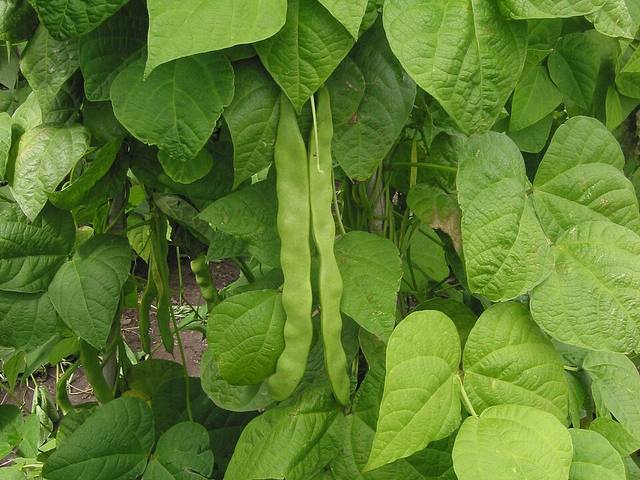
More beans per square foot than bush types; climbs anything.
Hardiness: zones 2 to 11
Light: full sun
Size: about 8 ft tall, 1 ft wide
Harvest: July to September
From: Central and South America
Here: Hardy in the Lake Erie shore climate (zone 6b to 7a), so it can live outdoors in the ground.
Good for: food, fixing nitrogen in the soil.
Native to: Mexico, Central America & the Caribbean, Andean highlands. Hardy in zones 2 to 11.
The story
Pole beans climbed corn in Indigenous fields across the Americas, the second of the three sisters; 'Cherokee Trail of Tears' was carried on the forced march of 1838 and is still grown. They yield longer and taste better than bush beans for the same ground.
Planting
Full sun, ordinary soil, and a pole, teepee or trellis 7 feet tall; sow after frost, six seeds per pole.
Growing
Water in dry spells; no feeding. Guide the vines up at the start; they climb counter-clockwise on their own.
Harvest and use
Pick young and often from midsummer to frost; let the last flush dry for seed. One teepee feeds a family.
What to watch for
Bean beetles and rust; slugs on seedlings.
See if Pole bean fits your yard
Free planner: enter your ZIP for frost dates, climate fit and a sowing calendar. No account, no ads, no tracking cookies.
More annual vegetables, herbs and grains
General guidance, not professional advice. Conditions vary by yard and year; for local specifics ask your county extension office. Never eat a wild plant you cannot identify with certainty. Traditional uses are shared as history, not medical advice. © 2026 Sean Priest · Irie Orchard. Terms & credits · Privacy · Home