Shatavari
Asparagus racemosus
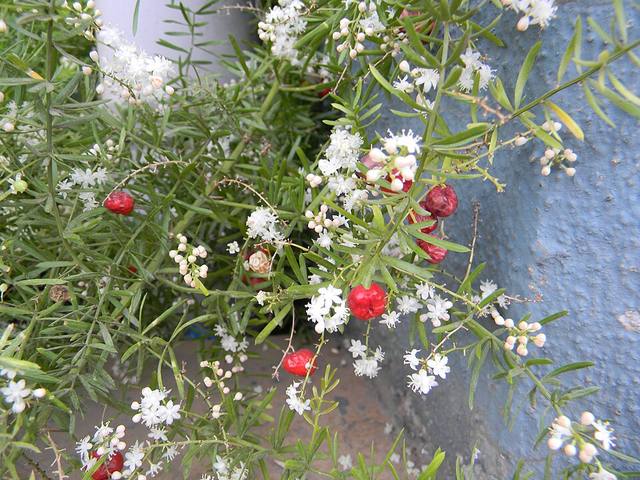
A feathery, climbing asparagus relative with clusters of tuberous roots; grow it in a big pot and bring it in for winter.
Hardiness: zones 9 to 12
Light: part shade to full sun
Size: about 6 ft tall, 4 ft wide
Harvest: October to December
From: India, Sri Lanka and tropical Africa
Drought-hardy once established
Here: Too tender to overwinter outdoors on the Lake Erie shore (zone 6b to 7a): grow it in a pot and bring it in, or treat it as an annual.
Good for: food, traditional use, Ayurvedic tradition.
Native to: South & Southeast Asian tropics, African savannas & tropics. Hardy in zones 9 to 12.
The story
Shatavari is a climbing asparagus relative whose clusters of white roots, the name meaning roughly a hundred roots, are among the best-known tonic herbs of Ayurveda. The foliage is soft, fern-like and quite pretty.
Planting
Full sun to part shade, in deep, loose, very well-drained soil or a large pot. It is not frost-hardy, so grow it in a container and bring it into a bright room in winter.
Growing
Water when the top inch is dry and give it a trellis or a few stakes. It is slow for two or three seasons before the roots are worth lifting.
Harvest and use
Roots are dug after two to three years, washed and sliced; they are cooked or dried for tea. Take a few and leave the crown to regrow.
What to watch for
Wet winter soil and frost. It is spiny: wear gloves.
Safety
Medicinal uses here are shared as history, not advice. Kitchen amounts are fine for most people, but teas, tinctures and supplements can interact with medicines and aren't safe for everyone, especially in pregnancy, while breastfeeding, for children, or with liver or kidney problems. Ask a doctor or pharmacist before taking any plant as medicine.
See if Shatavari fits your yard
Free planner: enter your ZIP for frost dates, climate fit and a sowing calendar. No account, no ads, no tracking cookies.
More perennial vegetables, greens and herbs
- Guduchi (giloy)
- Hoja santa
- Mexican oregano
- Pericón (Mexican tarragon)
- Izote (spineless yucca)
- Pūhā (native sow thistle)
General guidance, not professional advice. Conditions vary by yard and year; for local specifics ask your county extension office. Never eat a wild plant you cannot identify with certainty. Traditional uses are shared as history, not medical advice. © 2026 Sean Priest · Irie Orchard. Terms & credits · Privacy · Home