Siberian crabapple
Malus baccata
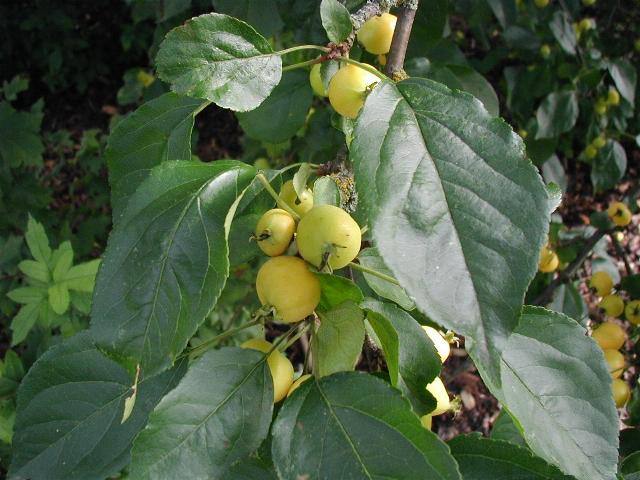
The hardiest apple there is: small tart fruit for jelly, and a tough rootstock for the far north.
Hardiness: zones 2 to 7
Light: full sun
Size: about 25 ft tall, 20 ft wide
Harvest: August to September
From: Siberia and N. China
Here: Hardy in the Lake Erie shore climate (zone 6b to 7a), so it can live outdoors in the ground.
Good for: food, pollinators, wildlife.
Native to: Northern Europe & the taiga, East Asia. Hardy in zones 2 to 7.
The story
The Siberian crabapple grows wild from Lake Baikal to Manchuria, where Buryat and Evenk peoples gathered the pea-sized fruit and Chinese growers crossed it into hardy apples; Russian and Canadian breeders used it to push apples onto the prairies, and most cold-climate rootstocks carry its blood.
Planting
Full sun, any drained soil; plant in spring or autumn. It is hardy to -50°F and pollinates any apple nearby. A 30-foot tree with white bloom.
Growing
Water young trees; after that nothing. Prune lightly in late winter. It resists fire blight and scab better than orchard apples.
Harvest and use
Tiny red or yellow fruit ripens in autumn and hangs for birds; cook for jelly and pectin, or let the waxwings have it.
What to watch for
Little; the usual apple troubles, lightly.
See if Siberian crabapple fits your yard
Free planner: enter your ZIP for frost dates, climate fit and a sowing calendar. No account, no ads, no tracking cookies.
More fruit trees
General guidance, not professional advice. Conditions vary by yard and year; for local specifics ask your county extension office. Never eat a wild plant you cannot identify with certainty. Traditional uses are shared as history, not medical advice. © 2026 Sean Priest · Irie Orchard. Terms & credits · Privacy · Home