Ber (Indian jujube)
Ziziphus mauritiana
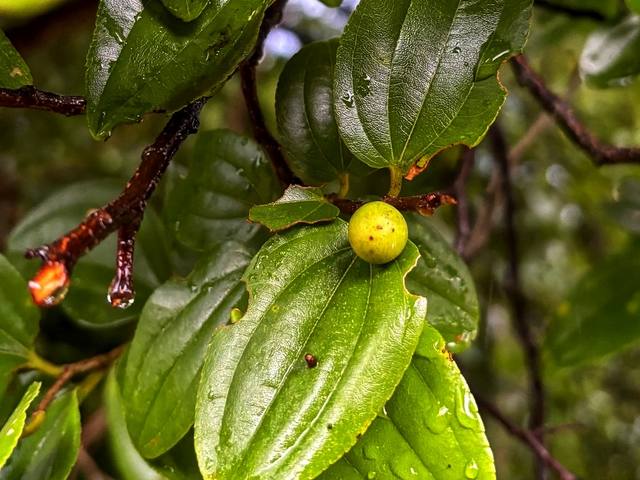
The village apple of the plains: sweet-tart fruit in the dry season, on a tree that laughs at drought.
Hardiness: zones 9 to 12
Light: full sun
Size: about 30 ft tall, 25 ft wide
Harvest: January to March
From: India
Here: Too tender to overwinter outdoors on the Lake Erie shore (zone 6b to 7a): grow it in a pot and bring it in, or treat it as an annual.
Good for: food, wildlife.
Native to: South & Southeast Asian tropics, Sahara & Arabian deserts. Hardy in zones 9 to 12.
The story
Ber has been grown on the Indian plains since the Indus Valley cities, whose ruins hold its stones; the Buddha is said to have eaten it, and village children still knock the fruit from thorny trees at the end of winter. It fruits in the dry months when little else does.
Planting
Full sun, any drained soil, heat, and no hard frost; it survives on 10 inches of rain. Plant a grafted variety ('Umran', 'Gola') for big fruit; a 30-foot tree.
Growing
Water young trees, then little. Prune hard after harvest; it fruits on new wood. It drops its leaves in the hot season.
Harvest and use
Fruit ripens yellow to red in late winter and spring; eat crisp like a small apple, or dry. Pick when the colour turns and the fruit comes off easily.
What to watch for
Fruit fly, powdery mildew on young fruit, and thorns.
See if Ber (Indian jujube) fits your yard
Free planner: enter your ZIP for frost dates, climate fit and a sowing calendar. No account, no ads, no tracking cookies.
More fruit trees
General guidance, not professional advice. Conditions vary by yard and year; for local specifics ask your county extension office. Never eat a wild plant you cannot identify with certainty. Traditional uses are shared as history, not medical advice. © 2026 Sean Priest · Irie Orchard. Terms & credits · Privacy · Home