Soybean
Glycine max
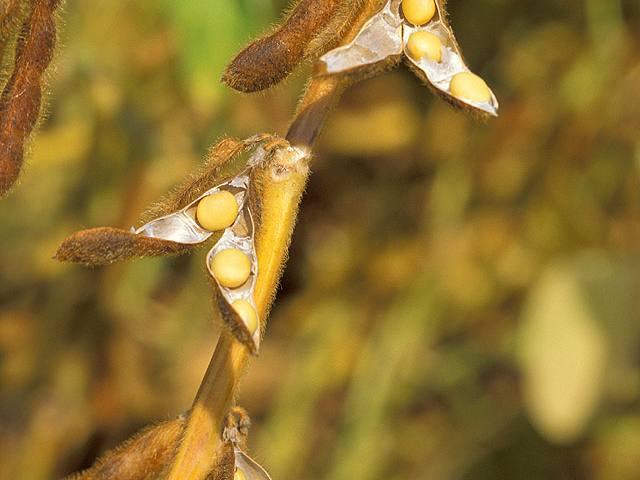
Domesticated in China about 3,000 years ago or more; tofu, soy sauce, miso and edamame all come from it.
Hardiness: zones 3 to 11
Light: full sun
Size: about 3 ft tall, 1 ft wide
Harvest: July to August
From: Northern China
Drought-hardy once established
Here: Hardy in the Lake Erie shore climate (zone 6b to 7a), so it can live outdoors in the ground.
Good for: food, fixing nitrogen in the soil.
Native to: East Asia. Hardy in zones 3 to 11.
The story
Soybeans were domesticated in northern China from a wild vine, by about 3,000 years ago or earlier. Fermented soy (jiang, ancestor of soy sauce and miso) was made by the Han dynasty, and tofu by about a thousand years ago. Soy reached Ohio farms in the 1900s and is now one of the state's biggest crops.
Planting
Full sun, warm drained soil. Sow after the last frost when the soil is above 60°F, an inch deep and 3 inches apart.
Growing
Soybeans fix their own nitrogen, so skip the fertilizer. Water when pods are filling. Pick a short-season edamame type for northern gardens.
Harvest and use
For edamame, pick when the pods are plump and still green; boil in salted water. For dry beans, let pods dry on the plant, then shell; always cook dry soybeans well.
What to watch for
Rabbits and deer love the young plants; Japanese beetles.
See if Soybean fits your yard
Free planner: enter your ZIP for frost dates, climate fit and a sowing calendar. No account, no ads, no tracking cookies.
More annual vegetables, herbs and grains
General guidance, not professional advice. Conditions vary by yard and year; for local specifics ask your county extension office. Never eat a wild plant you cannot identify with certainty. Traditional uses are shared as history, not medical advice. © 2026 Sean Priest · Irie Orchard. Terms & credits · Privacy · Home