Tepary bean
Phaseolus acutifolius
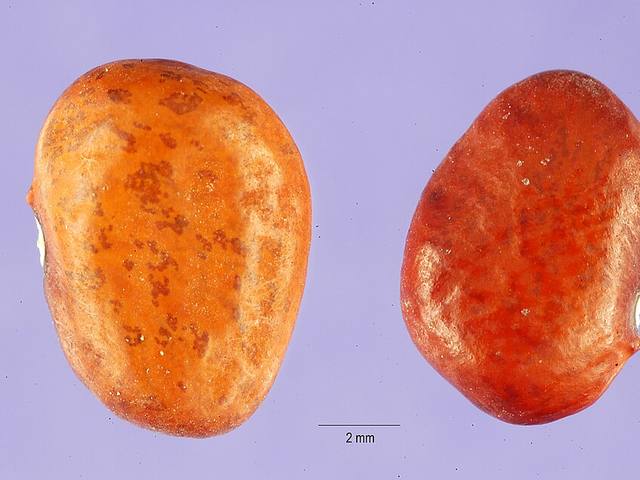
The most drought-hardy bean there is; Tohono O'odham farmers grow it on summer rains alone.
Hardiness: zones 8 to 11
Light: full sun
Size: about 2 ft tall, 2 ft wide
Harvest: August to September
From: Sonoran Desert
Here: Too tender to overwinter outdoors on the Lake Erie shore (zone 6b to 7a): grow it in a pot and bring it in, or treat it as an annual.
Good for: food, fixing nitrogen in the soil.
Native to: Desert Southwest. Hardy in zones 8 to 11.
The story
Tepary beans have been grown in the Sonoran Desert for 5,000 years by the Tohono O'odham, Pima and Hopi, planted at the summer monsoon and harvested in weeks on rain alone; a Tohono O'odham origin story names the Milky Way as scattered tepary beans. Native Seeds/SEARCH keeps dozens of varieties.
Planting
Full sun, sandy drained soil, and heat; sow seed directly at the start of summer rains or after the soil warms, an inch deep. Give it little water.
Growing
Water once at sowing and rarely after; too much water gives leaves. No feeding. It matures in 60 to 90 days.
Harvest and use
Pull plants when pods dry in late summer; thresh and store. Small, nutty beans; soak and cook longer than common beans.
What to watch for
Wet soil and humidity; otherwise nearly nothing.
See if Tepary bean fits your yard
Free planner: enter your ZIP for frost dates, climate fit and a sowing calendar. No account, no ads, no tracking cookies.
More annual vegetables, herbs and grains
- Everglades tomato
- Bitter gourd (karela)
- Bottle gourd (lauki)
- Ridge gourd (turai)
- Fenugreek (methi)
- Chickpea (chana)
General guidance, not professional advice. Conditions vary by yard and year; for local specifics ask your county extension office. Never eat a wild plant you cannot identify with certainty. Traditional uses are shared as history, not medical advice. © 2026 Sean Priest · Irie Orchard. Terms & credits · Privacy · Home