Chickpea (chana)
Cicer arietinum
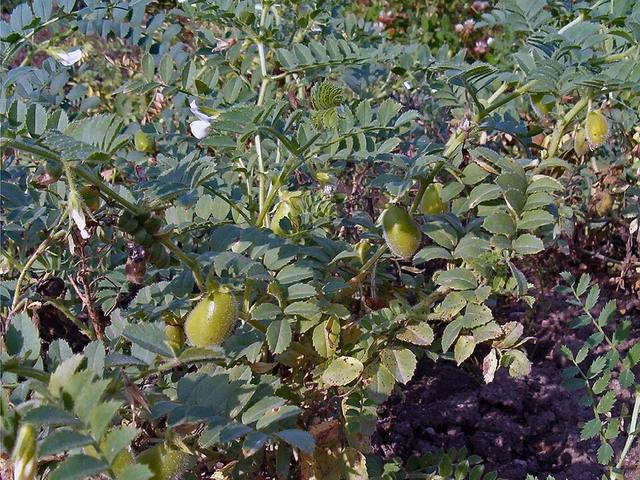
A cool-season crop sown after the monsoon; the young greens are eaten too.
Hardiness: zones 4 to 11
Light: full sun
Size: about 2 ft tall, 1 ft wide
Harvest: April to June
From: Turkey and the Levant; India's staple pulse
Here: Hardy in the Lake Erie shore climate (zone 6b to 7a), so it can live outdoors in the ground.
Good for: food, fixing nitrogen in the soil.
Native to: South & Southeast Asian tropics, Sahara & Arabian deserts, Mediterranean. Hardy in zones 4 to 11.
The story
Chickpeas were domesticated in Turkey 9,000 years ago and became India's staple pulse, chana, in a hundred forms from dal to besan flour; the Romans ate them by the handful and Cicero's name means chickpea. It is sown after the monsoon and ripens on winter dew.
Planting
Full sun, drained soil, and a cool, dry season; sow seed directly in early spring in cold climates or autumn in mild ones, an inch deep, 4 inches apart.
Growing
Water little; too much rots the roots. No feeding. It stands light frost and dislikes humidity.
Harvest and use
Pick green pods for fresh chana in late spring, or let plants dry and pull them for dried chickpeas. Young leaves are a cooked green.
What to watch for
Ascochyta blight and pod borer; wet weather at flowering.
See if Chickpea (chana) fits your yard
Free planner: enter your ZIP for frost dates, climate fit and a sowing calendar. No account, no ads, no tracking cookies.
More annual vegetables, herbs and grains
- Mung bean (moong)
- Sesame (til)
- Pearl millet (bajra)
- Finger millet (ragi)
- Golden chia (desert chia)
- Barley
General guidance, not professional advice. Conditions vary by yard and year; for local specifics ask your county extension office. Never eat a wild plant you cannot identify with certainty. Traditional uses are shared as history, not medical advice. © 2026 Sean Priest · Irie Orchard. Terms & credits · Privacy · Home