Mung bean (moong)
Vigna radiata
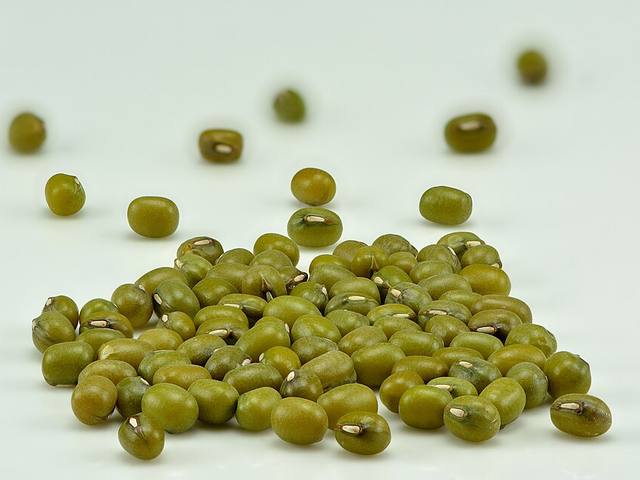
A 60-day monsoon pulse; the plants feed the soil after the pods are picked.
Hardiness: zones 6 to 12
Light: full sun
Size: about 2 ft tall, 1 ft wide
Harvest: August to September
From: India
Drought-hardy once established
Here: Hardy in the Lake Erie shore climate (zone 6b to 7a), so it can live outdoors in the ground.
Good for: food, fixing nitrogen in the soil.
Native to: South & Southeast Asian tropics. Hardy in zones 6 to 12.
The story
Mung beans were domesticated in India 4,500 years ago and are the moong dal of every Indian table and the sprout of every Chinese stir-fry; Hindu and Jain cooks value it as the lightest pulse, and it was the fasting food of Buddhist monks.
Planting
Full sun, any drained soil, and heat; sow seed directly after the soil warms, an inch deep, 3 inches apart. It matures in 60 to 90 days.
Growing
Water in dry spells; no feeding. Keep weeded while young.
Harvest and use
Pick pods as they turn black, several times, and dry and shell them. Sprout the beans in a jar in winter.
What to watch for
Yellow mosaic virus spread by whitefly, and pod borers.
See if Mung bean (moong) fits your yard
Free planner: enter your ZIP for frost dates, climate fit and a sowing calendar. No account, no ads, no tracking cookies.
More annual vegetables, herbs and grains
General guidance, not professional advice. Conditions vary by yard and year; for local specifics ask your county extension office. Never eat a wild plant you cannot identify with certainty. Traditional uses are shared as history, not medical advice. © 2026 Sean Priest · Irie Orchard. Terms & credits · Privacy · Home