Yerba buena
Clinopodium douglasii
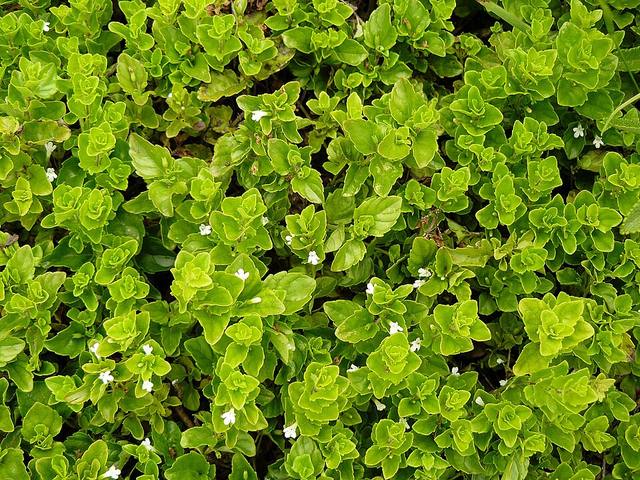
The mint that gave San Francisco its first name; a creeping groundcover for a fog-belt tea.
Hardiness: zones 7 to 10
Light: part shade
Size: about 0.3 ft tall, 3 ft wide
Harvest: year-round
From: California coast
Here: Hardy in the Lake Erie shore climate (zone 6b to 7a), so it can live outdoors in the ground.
Good for: food, pollinators, traditional use.
Native to: California, Pacific Northwest. Hardy in zones 7 to 10.
The story
Yerba buena carpeted the dunes and oak woods of the San Francisco peninsula, and the Ohlone and Spanish both steeped it for tea and stomach ache; the village that became San Francisco was called Yerba Buena until 1847. It is the city's founding plant.
Planting
Part shade, moist drained soil, and a mild climate; a creeping groundcover. Plant in spring; it roots as it runs.
Growing
Water through dry summers; mulch. Trim to keep it in bounds. It takes light frost.
Harvest and use
Pick leaves any time for a mild minty tea, fresh or dried.
What to watch for
Drought and hard frost.
Safety
Medicinal uses here are shared as history, not advice. Kitchen amounts are fine for most people, but teas, tinctures and supplements can interact with medicines and aren't safe for everyone, especially in pregnancy, while breastfeeding, for children, or with liver or kidney problems. Ask a doctor or pharmacist before taking any plant as medicine.
See if Yerba buena fits your yard
Free planner: enter your ZIP for frost dates, climate fit and a sowing calendar. No account, no ads, no tracking cookies.
More native and wild plants
- California blackberry
- Blue elderberry
- Beach strawberry
- Buransh (tree rhododendron)
- Desert wolfberry
- Cholla (buds)
General guidance, not professional advice. Conditions vary by yard and year; for local specifics ask your county extension office. Never eat a wild plant you cannot identify with certainty. Traditional uses are shared as history, not medical advice. © 2026 Sean Priest · Irie Orchard. Terms & credits · Privacy · Home