African wormwood (wilde-als)
Artemisia afra
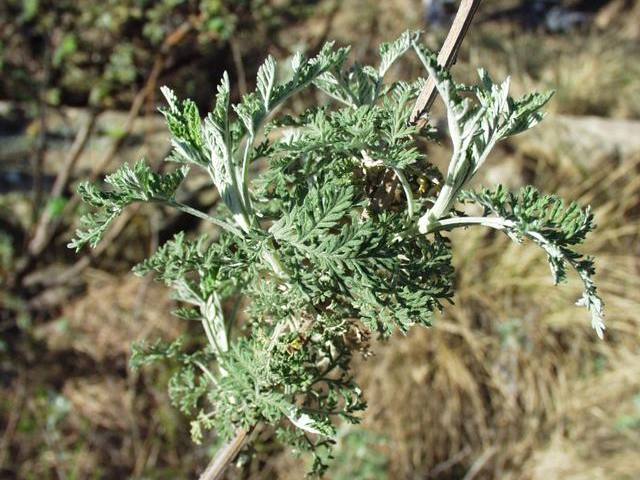
Silver, feathery and fiercely bitter; one of the most widely kept traditional herbs of southern Africa.
Hardiness: zones 8 to 10
Light: full sun
Size: about 5 ft tall, 4 ft wide
From: Southern and eastern Africa
Drought-hardy once established
Here: Too tender to overwinter outdoors on the Lake Erie shore (zone 6b to 7a): grow it in a pot and bring it in, or treat it as an annual.
Good for: traditional use, pollinators.
Native to: Cape of South Africa, African savannas & tropics. Hardy in zones 8 to 10.
The story
Wilde-als is one of the oldest and best-known traditional herbs of southern Africa, used by Khoisan, Xhosa, Zulu and Sotho households alike and still sold in bundles at markets.
Planting
Full sun and well-drained soil.
Growing
Cut it back hard in late winter; it regrows fresh and silver. It is drought-hardy.
Harvest and use
A grey, feathery backdrop for a dry garden, with a strong scent that keeps some pests off its neighbors. A traditional tea herb, shared here as history and not as medical advice.
What to watch for
It gets woody and untidy if never cut. Like all wormwoods it contains thujone, so it is not a plant to take casually.
Safety
Like all wormwoods it contains thujone, which can cause seizures in large amounts. Avoid it in pregnancy and don't use the oil.
Medicinal uses here are shared as history, not advice. Kitchen amounts are fine for most people, but teas, tinctures and supplements can interact with medicines and aren't safe for everyone, especially in pregnancy, while breastfeeding, for children, or with liver or kidney problems. Ask a doctor or pharmacist before taking any plant as medicine.
See if African wormwood (wilde-als) fits your yard
Free planner: enter your ZIP for frost dates, climate fit and a sowing calendar. No account, no ads, no tracking cookies.
More helper plants for soil, wildlife and biomass
- Canelo (Winter's bark)
- Caucasian linden
- Yar (highland casuarina)
- Gum arabic tree
- Pigeon pea
- Siberian pea shrub
General guidance, not professional advice. Conditions vary by yard and year; for local specifics ask your county extension office. Never eat a wild plant you cannot identify with certainty. Traditional uses are shared as history, not medical advice. © 2026 Sean Priest · Irie Orchard. Terms & credits · Privacy · Home