Siberian pea shrub
Caragana arborescens
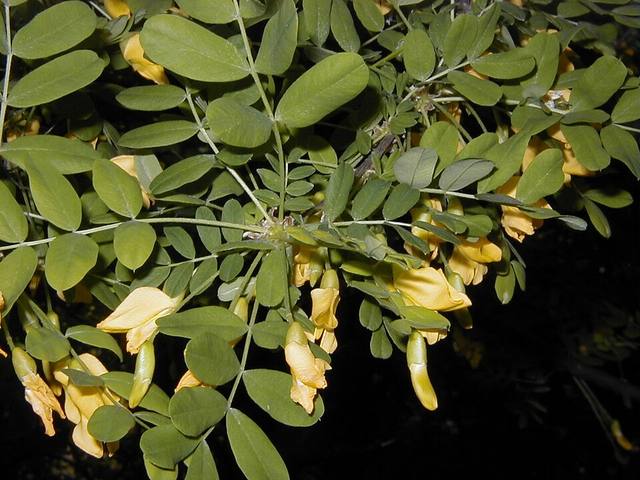
A nitrogen-fixing hedge for cold, windy, dry places.
Hardiness: zones 2 to 7
Light: full sun
Size: about 12 ft tall, 8 ft wide
Harvest: July to August
From: Siberia
Drought-hardy once established
Here: Hardy in the Lake Erie shore climate (zone 6b to 7a), so it can live outdoors in the ground.
Good for: fixing nitrogen in the soil, pollinators, wildlife.
Native to: Central Asian steppe. Hardy in zones 2 to 7.
The story
Siberian pea shrub comes from the steppes of Siberia and Manchuria, where winters reach 40 below. Homesteaders on the Canadian prairies planted it by the mile as windbreak, and some of those hedges are still standing guard over farms that are gone.
Planting
Full sun and any well-drained soil, even poor, dry or alkaline. Space 3 to 5 feet apart for a hedge.
Growing
It makes its own nitrogen and needs no feeding. Prune after flowering if you want it tidy; cut branches make good mulch.
Harvest and use
Yellow pea flowers feed bees in May. The small pods and seeds are edible cooked, and chickens will clean up whatever drops. Its real crops are shelter and soil.
What to watch for
It seeds itself around in parts of the northern US and Canada, so check with your extension office before planting.
See if Siberian pea shrub fits your yard
Free planner: enter your ZIP for frost dates, climate fit and a sowing calendar. No account, no ads, no tracking cookies.
More helper plants for soil, wildlife and biomass
General guidance, not professional advice. Conditions vary by yard and year; for local specifics ask your county extension office. Never eat a wild plant you cannot identify with certainty. Traditional uses are shared as history, not medical advice. © 2026 Sean Priest · Irie Orchard. Terms & credits · Privacy · Home