Comfrey
Symphytum × uplandicum 'Bocking 14'
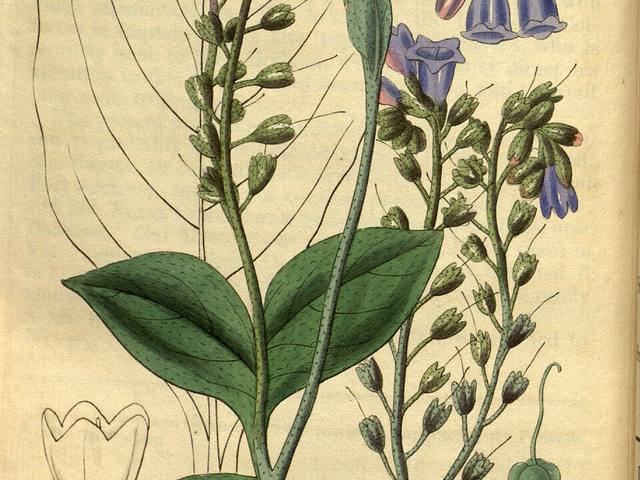
Chop-and-drop mulch; the sterile kind won't spread by seed.
Hardiness: zones 3 to 9
Light: part shade
Size: about 3 ft tall, 3 ft wide
From: Europe
Here: Hardy in the Lake Erie shore climate (zone 6b to 7a), so it can live outdoors in the ground.
Good for: mining nutrients for the compost pile, mulch and biomass, pollinators.
Hardy in zones 3 to 9.
The story
Comfrey has been grown in cottage gardens for two thousand years. The 'Bocking 14' strain was selected in the 1950s by Lawrence Hills in the English village of Bocking, because it makes plenty of leaf and no fertile seed, so it stays where you put it.
Planting
Plant root cuttings or crowns 2 feet apart in sun or part shade, in a place you are sure about. It is very hard to move later.
Growing
Cut the whole plant to a few inches high three or four times a summer. It regrows in weeks, fed by roots that go down six feet or more.
Harvest and use
Lay the cut leaves around fruit trees as mulch, add them to the compost as an activator, or steep them in a bucket for a strong-smelling liquid feed. Bumblebees love the flowers.
What to watch for
Every root fragment makes a new plant, so don't till it. Grown for the garden, not the kitchen.
Safety
Never eat comfrey or drink it as tea: it contains pyrrolizidine alkaloids that damage the liver, and the FDA asked makers to pull comfrey products taken by mouth. Grow it for mulch and compost; any skin use should be brief and on unbroken skin only.
See if Comfrey fits your yard
Free planner: enter your ZIP for frost dates, climate fit and a sowing calendar. No account, no ads, no tracking cookies.
More helper plants for soil, wildlife and biomass
General guidance, not professional advice. Conditions vary by yard and year; for local specifics ask your county extension office. Never eat a wild plant you cannot identify with certainty. Traditional uses are shared as history, not medical advice. © 2026 Sean Priest · Irie Orchard. Terms & credits · Privacy · Home