American hazelnut
Corylus americana
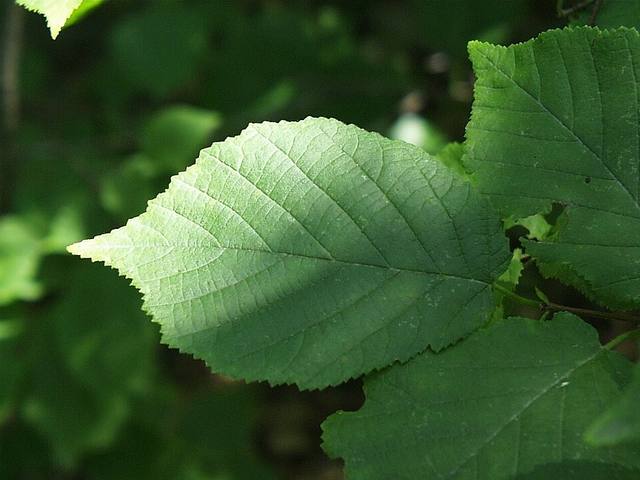
Small sweet nuts on a hedge-sized shrub; squirrels will audit the harvest.
Hardiness: zones 4 to 9
Light: full sun to part shade
Size: about 12 ft tall, 10 ft wide
Harvest: August to September
From: E. North America
Here: Hardy in the Lake Erie shore climate (zone 6b to 7a), so it can live outdoors in the ground.
Good for: food, wildlife, butterfly and moth caterpillars.
Native to: Northeast, Southeast, Midwest & Great Lakes, Great Plains & Texas, Eastern Canada, Western Canada. Hardy in zones 4 to 9.
The story
American hazelnuts were gathered by nearly every nation of the East and Midwest; the Anishinaabe and Menominee stored them for winter, pounded them into cakes, and used the oil. Settlers called them filberts and planted them in hedgerows.
Planting
Full sun or part shade, any drained soil; it suckers into a 10-foot thicket. Plant two for pollination; it is wind-pollinated by catkins in late winter.
Growing
Water the first summer, then little. Thin old stems every few years. It makes a good hedge and windbreak.
Harvest and use
Nuts ripen in husks in late summer; pick when the husk edges brown, before the squirrels, and dry a week before cracking.
What to watch for
Squirrels and jays, eastern filbert blight (less than European hazels), and big bud mite.
See if American hazelnut fits your yard
Free planner: enter your ZIP for frost dates, climate fit and a sowing calendar. No account, no ads, no tracking cookies.
More native and wild plants
General guidance, not professional advice. Conditions vary by yard and year; for local specifics ask your county extension office. Never eat a wild plant you cannot identify with certainty. Traditional uses are shared as history, not medical advice. © 2026 Sean Priest · Irie Orchard. Terms & credits · Privacy · Home