Beaked hazelnut
Corylus cornuta
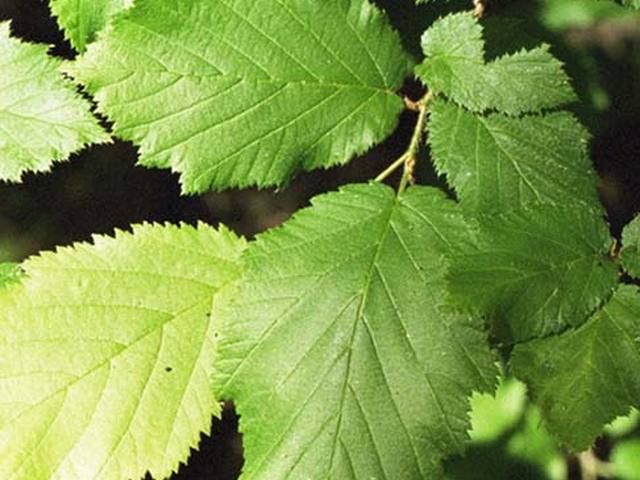
A wild hazel for the West and North; nuts hide in a bristly beak.
Hardiness: zones 4 to 8
Light: part shade
Size: about 10 ft tall, 10 ft wide
Harvest: August to September
From: Northern and western North America
Here: Hardy in the Lake Erie shore climate (zone 6b to 7a), so it can live outdoors in the ground.
Good for: food, wildlife.
Native to: Pacific Northwest, California, Rockies & Great Basin, Northeast, Midwest & Great Lakes, Eastern Canada, Western Canada. Hardy in zones 4 to 8.
The story
Beaked hazel grows across the northern forests from Newfoundland to Oregon and was gathered by Cree, Anishinaabe and Coast Salish people, who roasted the nuts and cached them; in the Northwest the nuts were a trade item. Its bristly husk ends in a beak.
Planting
Part shade or sun, drained acid to neutral soil, and cool summers. Plant two seedlings; it suckers slowly into a 10-foot shrub.
Growing
Water the first year, mulch, and leave it. Thin old stems occasionally.
Harvest and use
Nuts ripen in late summer; wear gloves, since the husk bristles irritate skin. Dry and crack; smaller but sweeter than orchard hazels.
What to watch for
Squirrels, and husk bristles; little else.
See if Beaked hazelnut fits your yard
Free planner: enter your ZIP for frost dates, climate fit and a sowing calendar. No account, no ads, no tracking cookies.
More native and wild plants
General guidance, not professional advice. Conditions vary by yard and year; for local specifics ask your county extension office. Never eat a wild plant you cannot identify with certainty. Traditional uses are shared as history, not medical advice. © 2026 Sean Priest · Irie Orchard. Terms & credits · Privacy · Home