Astragalus (huang qi)
Astragalus mongholicus
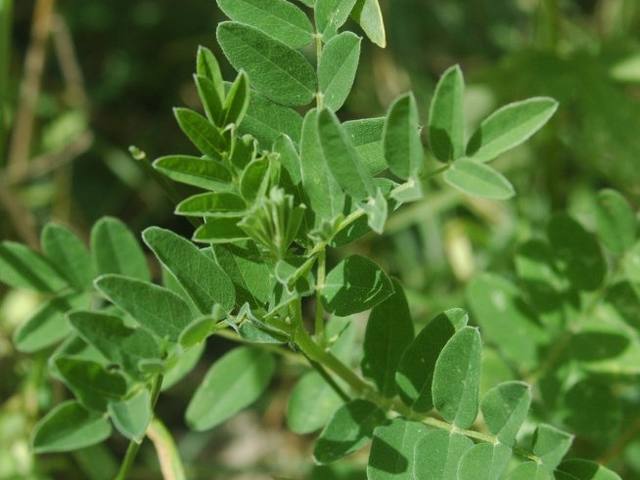
A steppe legume whose sliced root has simmered in Chinese soups and tonics for two thousand years.
Hardiness: zones 5 to 9
Light: full sun
Size: about 3 ft tall, 2 ft wide
Harvest: October to November
From: N. China and Mongolia
Drought-hardy once established
Here: Hardy in the Lake Erie shore climate (zone 6b to 7a), so it can live outdoors in the ground.
Good for: food, fixing nitrogen in the soil, pollinators, traditional use.
Native to: East Asia, Central Asian steppe. Hardy in zones 5 to 9.
The story
Astragalus root, huang qi, is listed in the oldest Chinese herbal, some two thousand years old. Slices are simmered in broths and congee through the cold months.
Planting
Full sun and deep, sandy, well-drained soil. Nick or soak the seed and sow in spring.
Growing
It dislikes disturbance and wet feet. Growth is slow at first.
Harvest and use
Dig the long taproots in the autumn of the third or fourth year. Slice and dry; simmer in soup and remove before serving.
What to watch for
Many wild astragalus species are toxic to livestock, so grow named seed of this species only. Root rot in heavy soil.
Safety
Medicinal uses here are shared as history, not advice. Kitchen amounts are fine for most people, but teas, tinctures and supplements can interact with medicines and aren't safe for everyone, especially in pregnancy, while breastfeeding, for children, or with liver or kidney problems. Ask a doctor or pharmacist before taking any plant as medicine.
See if Astragalus (huang qi) fits your yard
Free planner: enter your ZIP for frost dates, climate fit and a sowing calendar. No account, no ads, no tracking cookies.
More perennial vegetables, greens and herbs
General guidance, not professional advice. Conditions vary by yard and year; for local specifics ask your county extension office. Never eat a wild plant you cannot identify with certainty. Traditional uses are shared as history, not medical advice. © 2026 Sean Priest · Irie Orchard. Terms & credits · Privacy · Home