European beech
Fagus sylvatica
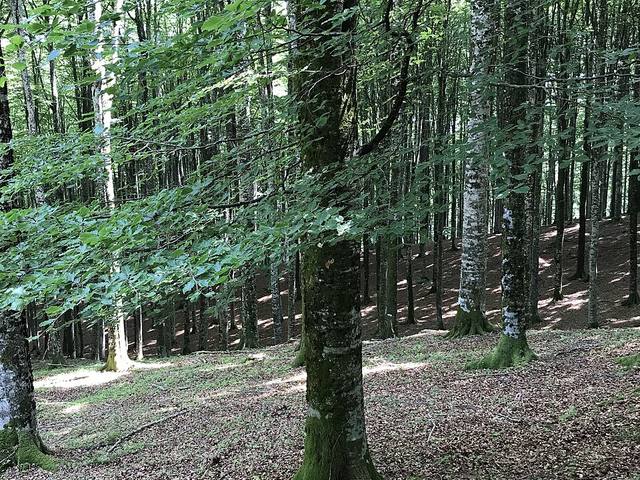
The great smooth-barked tree of Europe's woods; mast years drop little beechnuts to roast.
Hardiness: zones 4 to 7
Light: part shade to full sun
Size: about 80 ft tall, 50 ft wide
Harvest: September to October
From: Europe
Here: Hardy in the Lake Erie shore climate (zone 6b to 7a), so it can live outdoors in the ground.
Good for: food, wildlife.
Native to: Temperate Europe. Hardy in zones 4 to 7.
The story
Beechnuts fed the pigs of medieval Europe and, in hungry years, the people; Napoleon's France pressed the oil, and Germans roasted the nuts as a coffee substitute in both world wars. The tree is the cathedral of the European forest.
Planting
Full sun or shade, drained soil; it is slow, huge and long-lived, so site it for the next century. Plant young.
Growing
Water the first summers and mulch wide; the roots are shallow. No pruning. It casts deep shade that nothing grows under.
Harvest and use
Nuts fall in autumn in mast years, every few years; shell the small triangular nuts and eat raw in moderation or roast. Young spring leaves are a salad.
What to watch for
Beech bark disease, drought, and the wait for a mast year.
See if European beech fits your yard
Free planner: enter your ZIP for frost dates, climate fit and a sowing calendar. No account, no ads, no tracking cookies.
More native and wild plants
- English oak
- European crab apple
- Andean alder
- Native sarsaparilla (happy wanderer)
- Sassafras
- Nodding onion
General guidance, not professional advice. Conditions vary by yard and year; for local specifics ask your county extension office. Never eat a wild plant you cannot identify with certainty. Traditional uses are shared as history, not medical advice. © 2026 Sean Priest · Irie Orchard. Terms & credits · Privacy · Home