Mediterranean hackberry (nettle tree)
Celtis australis
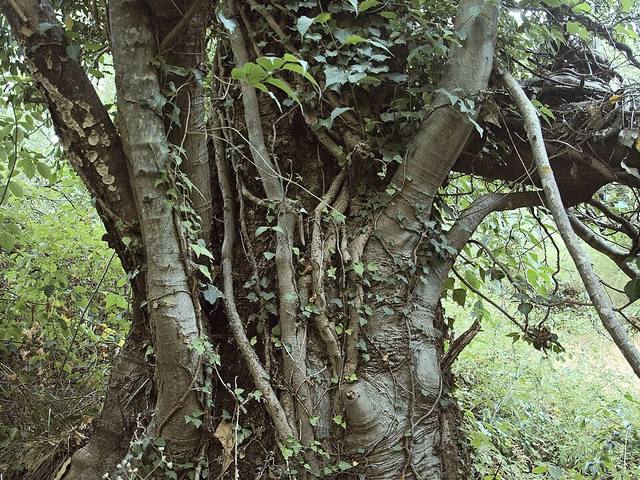
A long-lived shade tree with sweet, date-like little drupes birds and children love.
Hardiness: zones 6 to 10
Light: full sun
Size: about 50 ft tall, 40 ft wide
Harvest: September to November
From: Mediterranean and SW Asia
Drought-hardy once established
Here: Hardy in the Lake Erie shore climate (zone 6b to 7a), so it can live outdoors in the ground.
Good for: food, wildlife.
Native to: Mediterranean. Hardy in zones 6 to 10.
The story
The Mediterranean hackberry's small sweet berries have been eaten since the Romans, who called the tree lotus; it shaded village squares from Provence to Greece, and the wood made pitchforks and the famous whips of Sauve.
Planting
Full sun, dry, poor, drained soil, and heat; it tolerates drought, lime and city air. Plant in spring; a 50-foot tree.
Growing
Water the first year, then nothing. No pruning. Very long-lived.
Harvest and use
Berries ripen brown-black in autumn and hang into winter; eat whole, flesh and crunchy seed, or make a syrup.
What to watch for
Nothing serious.
See if Mediterranean hackberry (nettle tree) fits your yard
Free planner: enter your ZIP for frost dates, climate fit and a sowing calendar. No account, no ads, no tracking cookies.
More native and wild plants
General guidance, not professional advice. Conditions vary by yard and year; for local specifics ask your county extension office. Never eat a wild plant you cannot identify with certainty. Traditional uses are shared as history, not medical advice. © 2026 Sean Priest · Irie Orchard. Terms & credits · Privacy · Home