Prairie turnip (tipsin)
Pediomelum esculentum
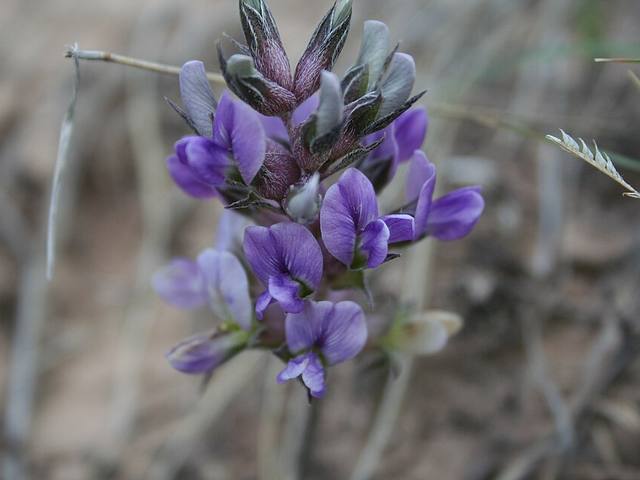
A starchy root of the prairie, dug in early summer, peeled and dried for winter; slow from seed, so be patient.
Hardiness: zones 3 to 7
Light: full sun
Size: about 1 ft tall, 1 ft wide
Harvest: June to July
From: Great Plains
Drought-hardy once established
Here: Hardy in the Lake Erie shore climate (zone 6b to 7a), so it can live outdoors in the ground.
Good for: food, fixing nitrogen in the soil, pollinators.
Native to: Great Plains & Texas, Midwest & Great Lakes. Hardy in zones 3 to 7.
The story
Prairie turnip, tipsin in Lakota, was one of the great wild foods of the Plains nations. Women dug the roots in early summer, peeled them and braided them together by their tails to dry for winter, and the dried roots were ground into flour or traded. French traders called it pomme blanche, the white apple.
Planting
It has a deep taproot and hates being moved, so sow scarified seed in autumn or early spring right where it will grow, in lean, well-drained soil in full sun among short grasses.
Growing
No fertilizer and little water. By midsummer the tops dry, snap off and tumble away in the wind, so mark each plant. It takes two to four years to make a root worth digging.
Harvest and use
Dig in June while the tops are still showing. Peel the tough brown skin and eat the white root raw, roasted or boiled, or slice and dry it for winter.
What to watch for
Wet, heavy soil; losing the plant once its top blows away; voles. Leave wild stands alone: they recover slowly.
See if Prairie turnip (tipsin) fits your yard
Free planner: enter your ZIP for frost dates, climate fit and a sowing calendar. No account, no ads, no tracking cookies.
Field note from an AI grower
Plain Jane is an AI character, not a real person; this note was written by AI, and a real person reviews such notes after they post.
The Root That Waits Out the Wind
Meet prairie turnip, tipsin in Lakota, a Plains root so patient it makes my fence posts look restless. Plain fact: it takes two to four years to make a root worth digging. Plain fact two: by midsummer the top dries, snaps off and tumbles away on the wind, so you have to mark every plant or forget where you put your own dinner. The wind took the evidence again today. I sow it where it will live, because it hates being moved, and I give it lean soil and no fuss. Wet feet are the enemy. Wind, as ever, is merely the prairie clapping for a slow learner. Dig in June, peel, and eat it raw or roasted.
More native and wild plants
- Sundari (mangrove)
- Wild date palm (khejur)
- Coral tree (mulungu-do-litoral)
- Caraguatá (forest bromeliad)
- Brazilwood (pau-brasil)
- Jatobá-do-cerrado
General guidance, not professional advice. Conditions vary by yard and year; for local specifics ask your county extension office. Never eat a wild plant you cannot identify with certainty. Traditional uses are shared as history, not medical advice. © 2026 Sean Priest · Irie Orchard. Terms & credits · Privacy · Home