Rabbiteye blueberry
Vaccinium virgatum
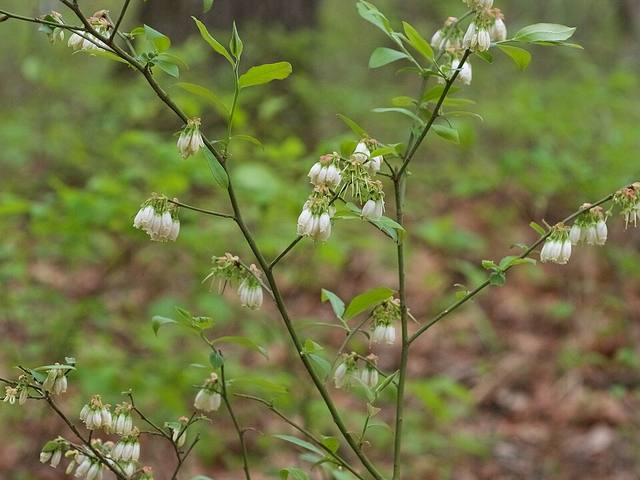
The blueberry for hot, humid summers; plant two.
Hardiness: zones 7 to 9
Light: full sun
Size: about 10 ft tall, 6 ft wide
Harvest: June to August
From: SE United States
Here: Hardy in the Lake Erie shore climate (zone 6b to 7a), so it can live outdoors in the ground.
Good for: food, pollinators.
Native to: Southeast. Hardy in zones 7 to 9.
The story
Rabbiteye blueberries are native to the river bottoms of Georgia, Alabama and Florida, where they were gathered wild and then tamed from wild selections in the 1920s. They take the Deep South's heat and poor sandy soil that northern blueberries cannot.
Planting
Full sun, acid soil (pH 4.5 to 5.5), and two varieties for pollination. Plant in winter with plenty of pine bark or peat, and mulch deeply.
Growing
Water steadily; the roots are shallow and fibrous. Feed lightly with an acid fertilizer and never with manure. Prune out old canes after the fifth year.
Harvest and use
Berries ripen over weeks in early summer; pick a few days after they turn blue for full sweetness. They freeze well whole.
What to watch for
Birds, blueberry maggot, and soil that drifts above pH 6, which yellows the leaves.
See if Rabbiteye blueberry fits your yard
Free planner: enter your ZIP for frost dates, climate fit and a sowing calendar. No account, no ads, no tracking cookies.
More berries and small fruit
General guidance, not professional advice. Conditions vary by yard and year; for local specifics ask your county extension office. Never eat a wild plant you cannot identify with certainty. Traditional uses are shared as history, not medical advice. © 2026 Sean Priest · Irie Orchard. Terms & credits · Privacy · Home