Siberian apricot
Prunus sibirica
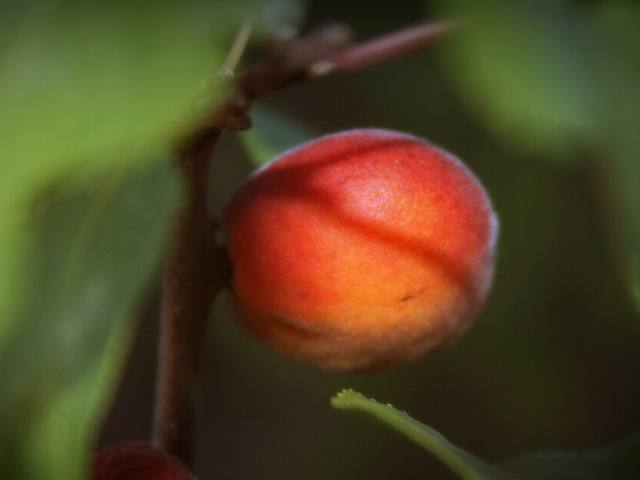
A tough apricot for bitter winters; small, tart fruit for jam, and a living windbreak.
Hardiness: zones 2 to 7
Light: full sun
Size: about 15 ft tall, 12 ft wide
Harvest: July to August
From: Mongolia, Siberia and N. China
Drought-hardy once established
Here: Hardy in the Lake Erie shore climate (zone 6b to 7a), so it can live outdoors in the ground.
Good for: food, pollinators.
Native to: Central Asian steppe, East Asia. Hardy in zones 2 to 7.
The story
Siberian apricot grows wild on the dry hills of Mongolia, Siberia and north China, where its kernels were pressed for oil and the small fruit dried; it is the hardiest apricot, surviving -50°F, and the parent of the apricots that grow on the Canadian prairies.
Planting
Full sun, dry drained soil, and a cold dry winter; it blooms early and spring frost is the risk. Plant two seedlings for pollination.
Growing
Water the first summers, then little. Prune lightly after harvest. It is a shrubby tree to 15 feet.
Harvest and use
Fruit ripens yellow-orange in summer; thin-fleshed, best dried or for jam. Kernels of sweet-seeded forms are eaten like almonds; bitter ones are not.
What to watch for
Spring frost on the bloom; bitter kernels.
See if Siberian apricot fits your yard
Free planner: enter your ZIP for frost dates, climate fit and a sowing calendar. No account, no ads, no tracking cookies.
More fruit trees
- Christ's thorn jujube (sidr)
- Desert date
- Service tree
- Siberian crabapple
- Manchurian apricot
- Ussurian pear
General guidance, not professional advice. Conditions vary by yard and year; for local specifics ask your county extension office. Never eat a wild plant you cannot identify with certainty. Traditional uses are shared as history, not medical advice. © 2026 Sean Priest · Irie Orchard. Terms & credits · Privacy · Home