Allegheny chinquapin
Castanea pumila
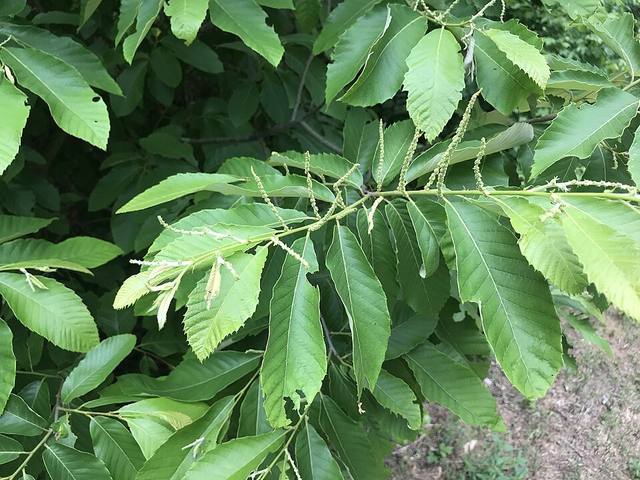
A shrubby native chestnut with small, very sweet nuts.
Hardiness: zones 5 to 9
Light: full sun
Size: about 15 ft tall, 15 ft wide
Harvest: September to October
From: SE United States
Drought-hardy once established
Here: Hardy in the Lake Erie shore climate (zone 6b to 7a), so it can live outdoors in the ground.
Good for: food, wildlife.
Native to: Southeast, Northeast, Great Plains & Texas. Hardy in zones 5 to 9.
The story
The Allegheny chinquapin is a dwarf chestnut of the Southeast, whose small sweet nuts were gathered by Cherokee and Powhatan families each autumn and traded in sacks; Captain John Smith wrote of eating them in Virginia in 1612. Blight hurt it less than its big cousin.
Planting
Full sun, acid, drained, even poor sandy soil. Plant two seedlings for pollination; it stays a large shrub or small tree.
Growing
Water the first year, mulch, and leave it; it suckers into a thicket if allowed. No feeding needed.
Harvest and use
Burs open in early autumn and drop a single sweet nut each; gather daily. Eat raw, roasted or boiled; they do not keep long.
What to watch for
Blight cankers on some plants, weevils, and squirrels.
See if Allegheny chinquapin fits your yard
Free planner: enter your ZIP for frost dates, climate fit and a sowing calendar. No account, no ads, no tracking cookies.
More native and wild plants
General guidance, not professional advice. Conditions vary by yard and year; for local specifics ask your county extension office. Never eat a wild plant you cannot identify with certainty. Traditional uses are shared as history, not medical advice. © 2026 Sean Priest · Irie Orchard. Terms & credits · Privacy · Home