White yam (Guinea yam)
Dioscorea rotundata
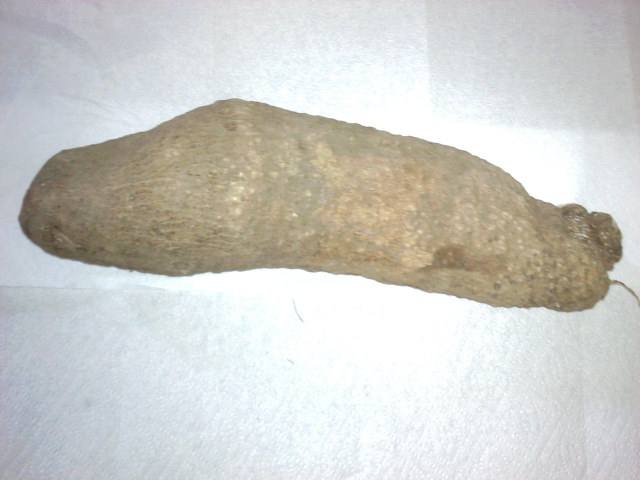
The king of crops in the West African yam belt, celebrated at New Yam festivals each harvest.
Hardiness: zones 9 to 12
Light: full sun
Size: about 12 ft tall, 3 ft wide
Harvest: year-round
From: West Africa
Drought-hardy once established
Here: Too tender to overwinter outdoors on the Lake Erie shore (zone 6b to 7a): grow it in a pot and bring it in, or treat it as an annual.
Good for: food.
Native to: African savannas & tropics, West & Central African forests. Hardy in zones 9 to 12.
The story
The white yam was domesticated in West Africa thousands of years ago, in the forest and savanna edge from Côte d'Ivoire to Cameroon. Nigeria, Ghana and Benin grow most of the world's yams, and New Yam festivals mark the harvest; pounded yam (iyan, fufu) is a daily food.
Planting
Full sun, deep loose soil, long frost-free warmth. Plant a seed yam piece in a mound or ridge at the start of the rains, with a tall stake beside it.
Growing
Train the vine up the stake, water through dry spells and mulch. It takes 7 to 10 months.
Harvest and use
Dig after the vines die back. Store in a cool, airy, dry place. Always peel and cook: boil, roast, fry or pound into fufu.
What to watch for
Frost; yam beetles; raw yam can irritate, so cook it.
See if White yam (Guinea yam) fits your yard
Free planner: enter your ZIP for frost dates, climate fit and a sowing calendar. No account, no ads, no tracking cookies.
More perennial vegetables, greens and herbs
General guidance, not professional advice. Conditions vary by yard and year; for local specifics ask your county extension office. Never eat a wild plant you cannot identify with certainty. Traditional uses are shared as history, not medical advice. © 2026 Sean Priest · Irie Orchard. Terms & credits · Privacy · Home