Horopito (pepper tree)
Pseudowintera colorata
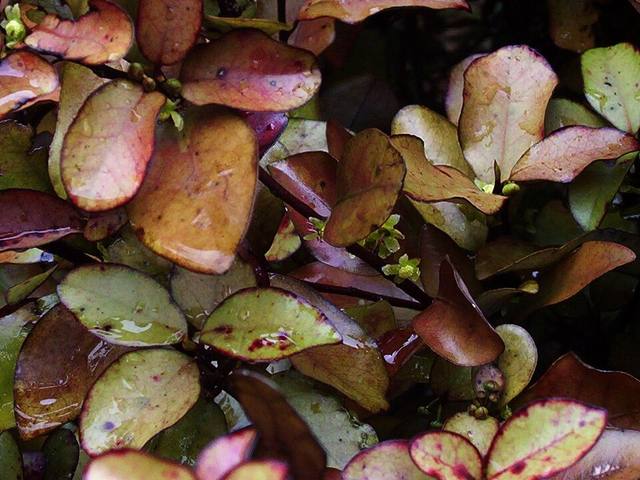
Red-blotched evergreen leaves with a slow, hot bite; a bush pepper for cool, damp gardens.
Hardiness: zones 8 to 11
Light: part shade
Size: about 8 ft tall, 5 ft wide
Harvest: year-round
From: Aotearoa New Zealand
Here: Too tender to overwinter outdoors on the Lake Erie shore (zone 6b to 7a): grow it in a pot and bring it in, or treat it as an annual.
Good for: food, wildlife, traditional use.
Native to: Aotearoa New Zealand. Hardy in zones 8 to 11.
The story
Horopito belongs to one of the oldest families of flowering plants, and its fiery leaves seem to have kept browsing animals at bay for millions of years. Māori used the leaves in traditional remedies, and early settlers called it bush pepper.
Planting
Part shade, cool moist soil rich in leaf mould, and shelter from hot afternoon sun. It suits woodland gardens with mild, damp summers.
Growing
Slow and tidy; water in dry weather and mulch yearly. The leaves colour reddest with some light and a little cold.
Harvest and use
Use a leaf fresh, or dry and crumble it as a pepper. A little goes a long way; the heat builds slowly.
What to watch for
It sulks in heat and dry air. Poor drainage rots the roots.
Safety
Medicinal uses here are shared as history, not advice. Kitchen amounts are fine for most people, but teas, tinctures and supplements can interact with medicines and aren't safe for everyone, especially in pregnancy, while breastfeeding, for children, or with liver or kidney problems. Ask a doctor or pharmacist before taking any plant as medicine.
See if Horopito (pepper tree) fits your yard
Free planner: enter your ZIP for frost dates, climate fit and a sowing calendar. No account, no ads, no tracking cookies.
More perennial vegetables, greens and herbs
General guidance, not professional advice. Conditions vary by yard and year; for local specifics ask your county extension office. Never eat a wild plant you cannot identify with certainty. Traditional uses are shared as history, not medical advice. © 2026 Sean Priest · Irie Orchard. Terms & credits · Privacy · Home