Silver birch
Betula pendula
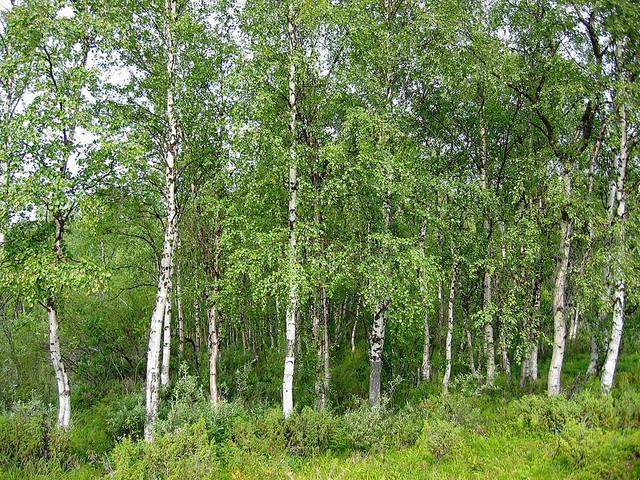
Pioneer of cleared ground; in the North its spring sap is drunk fresh or boiled to syrup.
Hardiness: zones 2 to 7
Light: full sun
Size: about 60 ft tall, 25 ft wide
Harvest: March to April
From: Europe to Central Asia
Here: Hardy in the Lake Erie shore climate (zone 6b to 7a), so it can live outdoors in the ground.
Good for: food, wildlife, butterfly and moth caterpillars.
Native to: Northern Europe & the taiga, Temperate Europe, Central Asian steppe. Hardy in zones 2 to 7.
The story
Birch is the tree of the north: Sámi, Finnish, Russian and Anishinaabe peoples tapped its spring sap, ate the inner bark in hunger years, built canoes and homes from the bark, and brewed the leaves. Xylitol, the sugar alcohol, was first made from Finnish birch.
Planting
Full sun, moist drained soil, and a cool climate; it is short-lived in hot places. Plant young in spring; 50 feet, fast.
Growing
Water through dry summers; mulch wide. Prune only in summer to avoid bleeding. Avoid the bronze birch borer by keeping the tree unstressed.
Harvest and use
Tap in early spring for two weeks of sap, drunk fresh or boiled into syrup (100 to 1). Young leaves make tea; the bark, chaga fungus and sap all have uses.
What to watch for
Bronze birch borer, leafminer, and drought in warm climates.
See if Silver birch fits your yard
Free planner: enter your ZIP for frost dates, climate fit and a sowing calendar. No account, no ads, no tracking cookies.
More native and wild plants
General guidance, not professional advice. Conditions vary by yard and year; for local specifics ask your county extension office. Never eat a wild plant you cannot identify with certainty. Traditional uses are shared as history, not medical advice. © 2026 Sean Priest · Irie Orchard. Terms & credits · Privacy · Home