Spicebush
Lindera benzoin
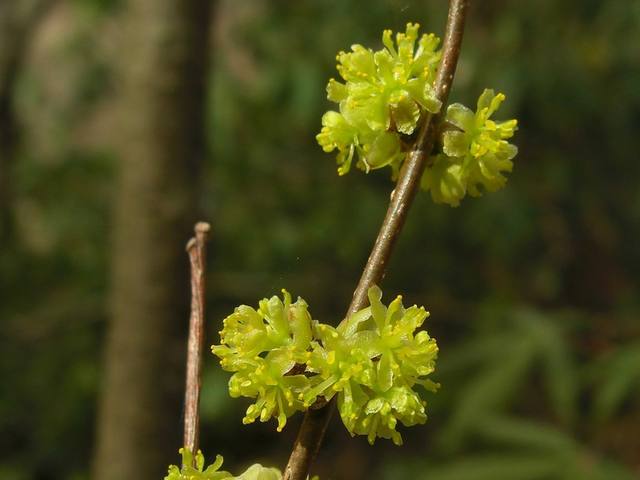
Allspice-scented berries and a host to the spicebush swallowtail.
Hardiness: zones 4 to 9
Light: part shade
Size: about 8 ft tall, 8 ft wide
Harvest: September to October
From: E. North America
Here: Hardy in the Lake Erie shore climate (zone 6b to 7a), so it can live outdoors in the ground.
Good for: food, wildlife, butterfly and moth caterpillars, traditional use.
Native to: Northeast, Southeast, Midwest & Great Lakes, Eastern Canada. Hardy in zones 4 to 9.
The story
Spicebush was the allspice of the Eastern Woodlands: Cherokee, Delaware and Ojibwe people brewed the twigs for tea, dried the red berries as a pepper, and rubbed the leaves against insects. Colonists used it the same way during the Revolution when real spices were cut off.
Planting
Part shade or shade, moist rich soil; it is an understory shrub of damp woods. Plant male and female for berries, 6 feet apart.
Growing
Keep moist the first years, then little. No pruning needed. It flowers yellow before the leaves and turns gold in autumn.
Harvest and use
Berries ripen red in early autumn on female plants; dry and grind as a warm, peppery spice. Twigs make tea year-round; leaves season fish.
What to watch for
Nothing serious; the spicebush swallowtail caterpillar eats some leaves and is worth it.
Safety
Medicinal uses here are shared as history, not advice. Kitchen amounts are fine for most people, but teas, tinctures and supplements can interact with medicines and aren't safe for everyone, especially in pregnancy, while breastfeeding, for children, or with liver or kidney problems. Ask a doctor or pharmacist before taking any plant as medicine.
See if Spicebush fits your yard
Free planner: enter your ZIP for frost dates, climate fit and a sowing calendar. No account, no ads, no tracking cookies.
More native and wild plants
General guidance, not professional advice. Conditions vary by yard and year; for local specifics ask your county extension office. Never eat a wild plant you cannot identify with certainty. Traditional uses are shared as history, not medical advice. © 2026 Sean Priest · Irie Orchard. Terms & credits · Privacy · Home