Star anise
Illicium verum
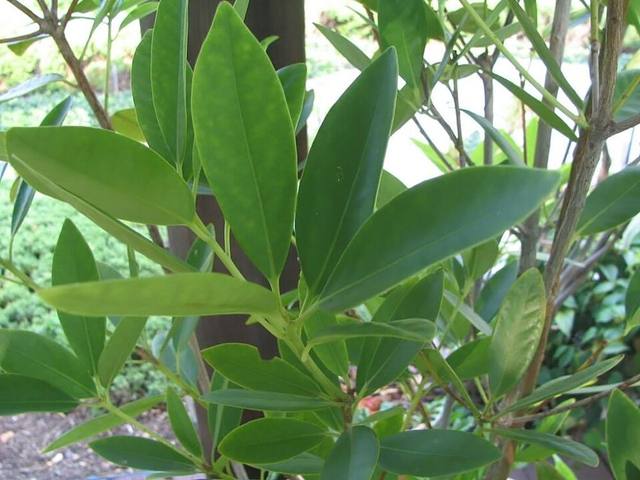
Eight-pointed woody stars with a liquorice warmth, for pho and five-spice; an evergreen for mild, moist woodland.
Hardiness: zones 8 to 10
Light: part shade
Size: about 20 ft tall, 12 ft wide
Harvest: September to November
From: S. China and N. Vietnam
Here: Too tender to overwinter outdoors on the Lake Erie shore (zone 6b to 7a): grow it in a pot and bring it in, or treat it as an annual.
Good for: food.
Native to: East Asia, South & Southeast Asian tropics. Hardy in zones 8 to 10.
The story
Star anise comes from the hills where southern China meets Vietnam and has flavoured braises, pho and five-spice powder for centuries. Much of the world's crop still comes from Guangxi.
Planting
Part shade, shelter and moist, acid, well-drained soil in a mild climate.
Growing
Slow to start and long-lived. Mulch to keep the roots cool.
Harvest and use
Pick the fruits green, just before they ripen, and dry them in the sun until they turn red-brown and woody.
What to watch for
Never substitute Japanese star anise, a look-alike garden shrub that is poisonous. Trees take many years to bear.
See if Star anise fits your yard
Free planner: enter your ZIP for frost dates, climate fit and a sowing calendar. No account, no ads, no tracking cookies.
More tropical and subtropical food plants
- Ackee
- Safou (African pear)
- Ambarella (vī)
- Long pepper (pippali)
- Mamey apple
- Stinking toe (West Indian locust)
General guidance, not professional advice. Conditions vary by yard and year; for local specifics ask your county extension office. Never eat a wild plant you cannot identify with certainty. Traditional uses are shared as history, not medical advice. © 2026 Sean Priest · Irie Orchard. Terms & credits · Privacy · Home